A missing or unacceptable ID can stop an otherwise well-prepared amateur radio candidate before the first question appears. If you are asking, which identification do examiners accept for an online ham radio exam, the practical answer is to have a current, original, government-issued photo ID ready before your scheduled session.
Remote testing makes earning or upgrading an FCC amateur radio license far more convenient, but it does not reduce the need to verify who is taking the examination. Volunteer Examiners must protect the integrity of every session. A clear identification check is part of that responsibility, whether you are testing for Technician, General, or Amateur Extra.
Which identification do examiners accept?
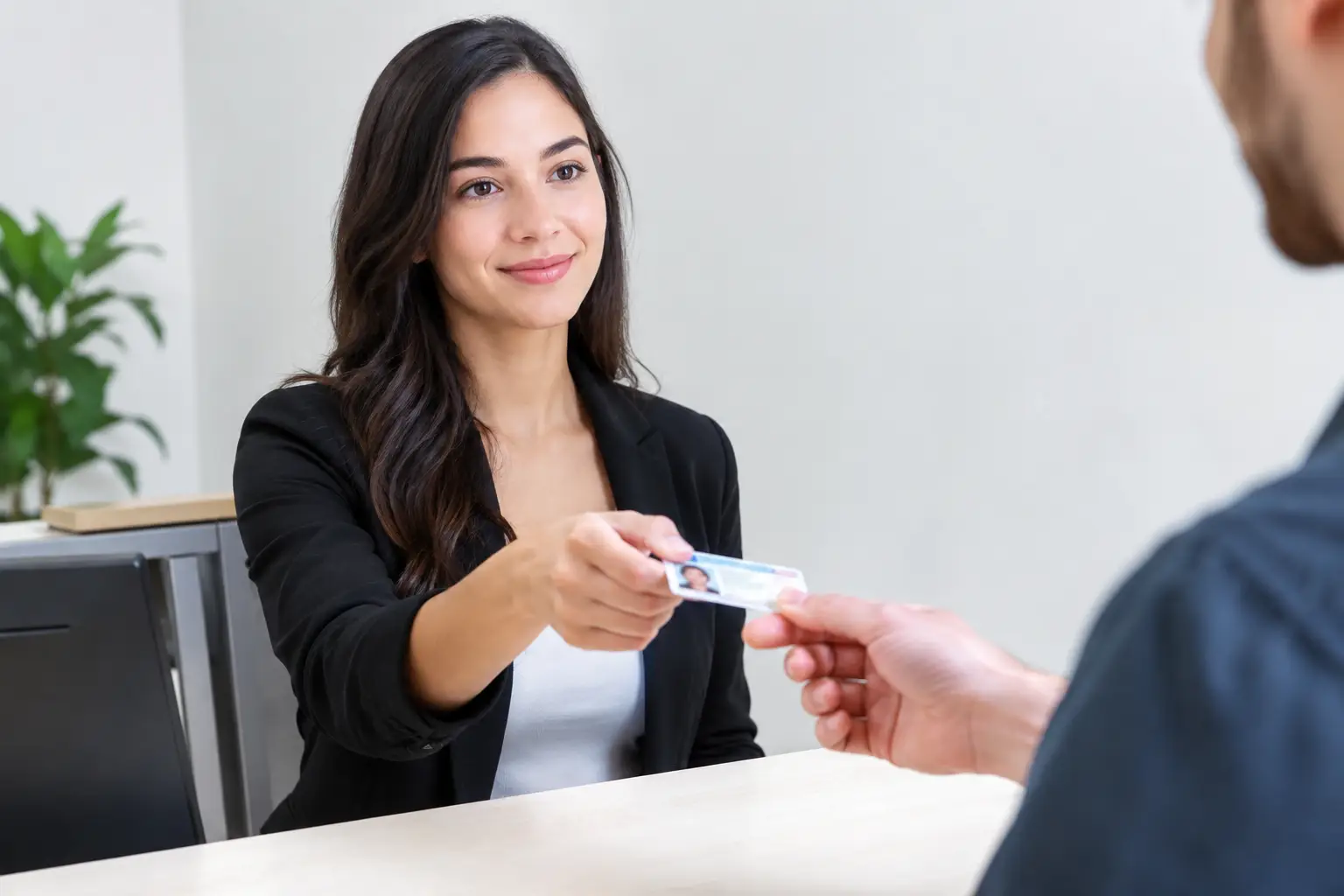
For most adult candidates, a current government-issued photo ID is the right choice. A state driver’s license, state identification card, military ID, or passport are common examples. The document should be original, valid, and clear enough for the exam team to confirm your identity through your webcam.
A driver’s license is often the simplest option because it includes your name, photograph, and other identifying information in one document. A passport is also a strong choice, particularly if you do not drive or if your current address has changed. The key point is not which document is most convenient in general. It is whether the document meets the requirements in the instructions for your specific exam session.
Do not rely on a photo stored on your phone, a screenshot, a photocopy, or a scanned image unless your examination team has specifically told you that it is permitted. During a remote session, examiners need to see the actual document on camera. A blurry image, a glare across the photo, or text that cannot be read may delay check-in.
Current and unexpired is best
Bring an ID that is current and unexpired whenever possible. An expired driver’s license may still look perfectly recognizable, but an examiner cannot assume that it meets the session’s identification policy. Avoid creating a last-minute decision for the team by preparing a valid document ahead of time.
If your ID is damaged, heavily worn, or difficult to read, use a better document if you have one. A clean, current passport or state-issued ID can prevent unnecessary stress at the start of the appointment.
Identification options for younger candidates
Amateur radio welcomes younger operators, and many successful licensees begin with the Technician exam. Candidates under 18 may have different identification options than adults. Depending on the exam provider’s published procedures, a school photo ID, a birth certificate, a library card, or identification presented with a parent or legal guardian may be acceptable.
Because policies can vary by examination organization and session format, families should not make assumptions based on an in-person testing experience or advice found in an old forum post. Review the instructions sent for the scheduled online session and ask questions before exam day if anything is unclear.
For a minor testing remotely, it is wise to have the candidate’s available identification ready, along with a parent or guardian nearby if the session instructions call for it. This makes the check-in process calmer and helps the team resolve questions promptly.
Make sure your name matches your exam paperwork
Your ID is not just used to verify your face. Examiners also compare the name on the document with the information you provide for your FCC license application and examination paperwork. Small differences can be manageable, but they are much easier to address before the session begins than after your exam is complete.
Use your legal name when registering. If your identification shows a middle name while your registration uses only a middle initial, that may not be a problem, but consistency is always preferable. If you recently changed your name because of marriage, divorce, or another legal reason, bring any appropriate supporting documentation if requested by the exam team.
Candidates upgrading an existing license should also review their FCC records before testing. Your current call sign, FRN, and licensee information should align with the details you provide during registration. An outdated address or a name discrepancy does not necessarily prevent you from taking an exam, but it can require extra attention during the application process.
Prepare your ID for a remote exam check-in
The difference between a smooth online check-in and a frustrating one is often lighting. Before your appointment, take out your ID and look at it using the same computer, camera, and room you plan to use for the exam. Can you read the name? Is the photograph visible without glare? Can you hold the ID steady enough for the camera to focus?
Place the document within reach, but do not leave it where you might forget it when setting up your testing area. Have it ready before you join the Zoom session. You may be asked to hold it up to the camera, move it closer, or tilt it slightly so the examiner can read the details.
Avoid using a virtual background during the check-in process. Good overhead or front-facing light is usually better than a bright window behind you. If your webcam struggles to focus on close objects, slowly move the ID back from the camera until the text becomes clear. Your examiners want to get you checked in efficiently, and a few moments of preparation helps them do exactly that.
Why examiners check identification so carefully
Identity verification is not a formality. FCC amateur radio examinations lead to privileges on the air, and the volunteer examination system depends on accurate records, fair testing, and confidence that each candidate completed the exam personally.
Remote testing adds convenience, not shortcuts. Examiners use camera-based check-in, room scans, supervision, and documented procedures to maintain the same high standard candidates should expect from a legitimate exam session. A careful ID check protects you, your future license, and the amateur radio community.
That level of care is also a benefit for candidates. When you pass, you can feel confident that your result was administered through a serious, recognized process. MidTENN Nationwide Testing is committed to making that process welcoming and organized while respecting the standards that make amateur radio licensing meaningful.
What to do if you do not have a standard photo ID
Do not wait until the morning of your exam to find out whether an alternative document will work. Contact the testing team before your appointment, explain your situation clearly, and ask what documentation is acceptable for your session. This is especially important for minors, people who have recently moved, candidates with a pending replacement license, and anyone whose legal name has changed.
Do not assume that a work badge, credit card, social media profile, or a photo of an expired ID will be accepted. These items may help establish identity in other settings, but amateur radio exam procedures have their own requirements.
If you need to reschedule because you cannot obtain acceptable identification in time, that is better than arriving unprepared and losing valuable testing time. The goal is not to make the process difficult. It is to ensure your session can proceed correctly from the start.
A simple exam-day identification checklist
Before joining your online amateur radio exam, confirm that you have a current original photo ID, that your legal name matches your registration information, and that your camera can show the document clearly. If you are under 18 or using an alternative form of identification, confirm acceptance with the exam team in advance.
Then set the ID beside your computer, take a breath, and focus on the material you studied. A prepared check-in gives you one less thing to worry about and leaves you free to demonstrate what you know when the exam begins.