If the nearest in-person exam session is an hour away, starts at an awkward time, or only happens once a month, getting licensed can feel harder than it should. The good news is that you can now take ham radio test from home through a legitimate remote process that follows the same standards used for in-person amateur radio exams.
That convenience matters, but so does trust. When you are working toward a Technician, General, or Extra Class license, you want a test session that is organized, compliant, and clear from start to finish. A well-run remote exam gives you exactly that, without the extra travel, waiting, or guesswork.
Can You Really Take Ham Radio Test From Home?
Yes, you can, as long as you use an authorized remote exam team that follows FCC and Volunteer Examiner Coordinator requirements. Remote amateur radio testing is not a shortcut or an unofficial alternative. It is a real exam session administered under structured proctoring rules.
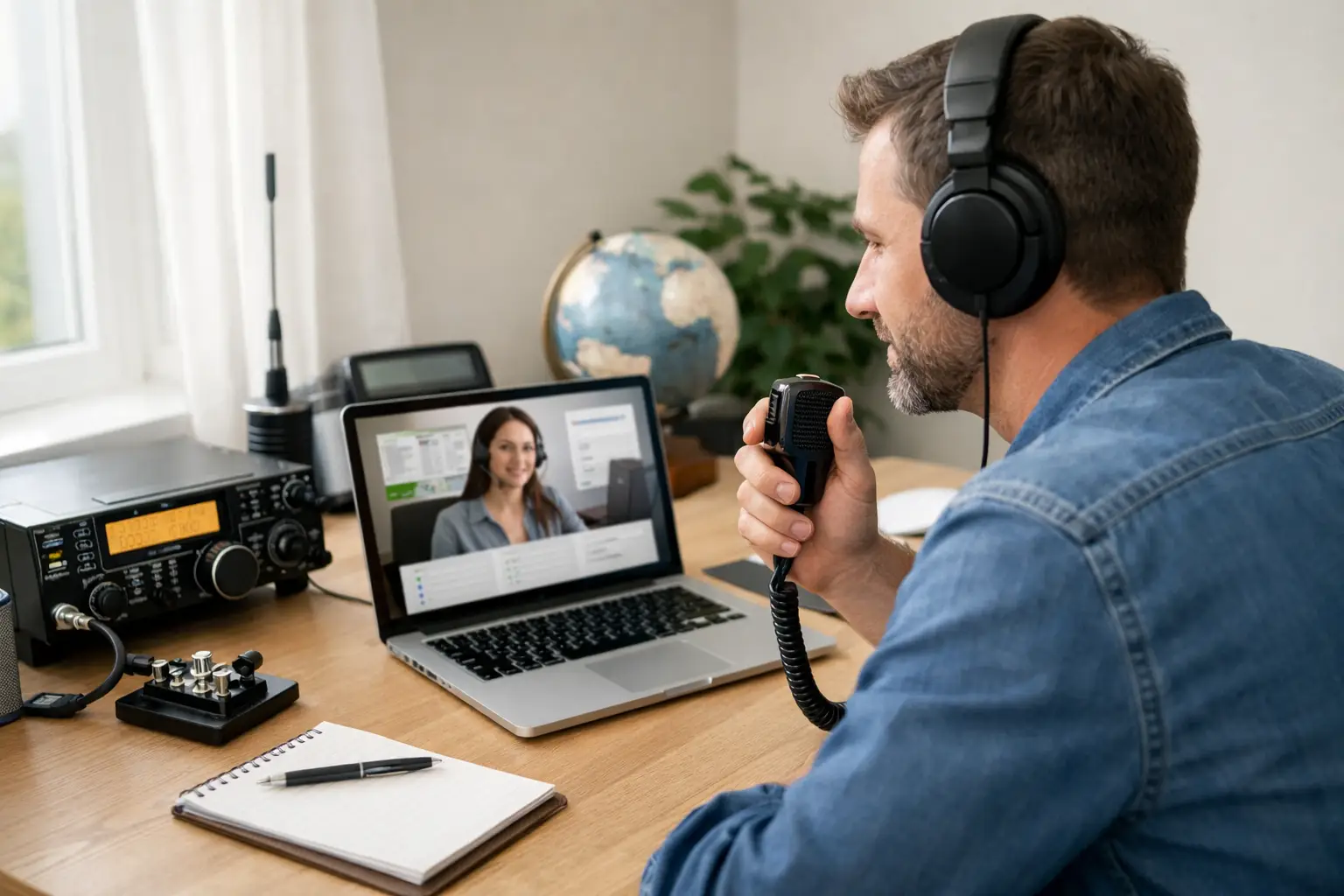
That distinction is important because many first-time candidates worry that an online exam might be less accepted or somehow different from what they would get at a local club session. In practice, the license class you earn is the same. The difference is simply the delivery method. Instead of traveling to a testing site, you verify your identity, connect through video, and complete the exam under remote supervision.
For many candidates, that change removes the biggest barrier to getting started. Working adults can schedule around their jobs. Retirees can avoid unnecessary driving. Upgrade candidates can test sooner instead of waiting for the next local session.
What the Remote Testing Process Looks Like
A remote ham radio exam session is usually straightforward when the instructions are clear. You register for a session, receive preparation details, and join the testing platform at the scheduled time. Most teams use Zoom or a similar video platform because proctors need to see both you and your testing environment.
Before the exam begins, the team will walk you through identity verification and room checks. You may be asked to show your desk, computer area, and surrounding space with your camera. This is not meant to make the process uncomfortable. It is there to protect exam integrity and ensure every candidate is testing under the same rules.
Once the room is cleared and your materials are verified, the exam is administered electronically. During the session, volunteer examiners monitor the process and provide guidance on procedure, not answers. If you pass, many remote teams can often tell you promptly and explain the next step in the license processing timeline.
That immediate clarity is one of the biggest benefits. Instead of leaving a test site wondering what happens next, you usually know right away whether you passed and what paperwork will follow.
What You Need Before Test Day
To take ham radio test from home successfully, your setup needs to be simple but reliable. A stable internet connection is essential. So is a computer or device that supports the required video platform, along with a working camera and microphone.
You also need a quiet, private space where interruptions are unlikely. That can be a home office, a dining room, or another area with a clean testing surface. The best space is not necessarily fancy. It just needs to be controlled and easy for proctors to review.
Candidates sometimes assume remote testing requires a complicated technical setup. Usually it does not. What matters more is preparation. Test your camera, audio, and internet connection ahead of time. Read the session instructions carefully. Have your identification and any approved materials ready before you join.
If you are unsure about any requirement, ask before exam day. Good exam teams would rather answer a basic question in advance than have you feel rushed or uncertain once the session begins.
How to Prepare Without Adding Stress
Most exam anxiety has less to do with the questions and more to do with uncertainty. Candidates wonder what the room check will be like, whether their computer will cooperate, or whether they will miss some small requirement. That is why a clear process matters so much.
Start with the exam content itself. Study the current question pool for your license class, use practice exams, and focus on understanding rather than memorizing alone. For Technician candidates, that usually means radio basics, operating practices, safety, and FCC rules. For General and Extra candidates, the material gets more technical, so a little more structure in your study plan often helps.
Then prepare for the session environment. Choose your room early. Remove items that are not allowed. Charge your devices. Confirm your login details. These are small steps, but they reduce mental clutter on test day.
It also helps to expect a process that is professional rather than casual. Remote sessions are convenient, but they are still official examinations. When you treat the appointment seriously, the experience tends to feel smoother and more predictable.
Why Candidates Choose Remote Exams
The obvious reason is convenience, but that is only part of the story. For many people, remote testing also makes the licensing path more accessible. Instead of planning around club calendars, long drives, or limited local availability, candidates can often find a time that fits their week.
That flexibility matters for first-time test takers who are ready now, not three Saturdays from now. It also matters for upgrade candidates who have been putting off General or Extra because scheduling an in-person session keeps slipping down the priority list.
There is also a comfort factor. Testing from home can reduce the pressure some candidates feel in unfamiliar environments. You are still taking a real, proctored exam, but you are doing it in a space you know. For many people, that lowers stress enough to help them perform better.
Of course, remote testing is not ideal for everyone. If your internet is unstable, your home is noisy, or you are uncomfortable with video-based proctoring, an in-person session may still be the better fit. The right option depends on your situation. What matters is having a legitimate choice.
Choosing a Team You Can Trust
Not all exam experiences feel the same, even when they follow the same rules. A strong remote exam team combines compliance with clear communication and human support. That means accurate instructions, responsive answers, organized proctors, and a calm testing environment.
ARRL-certified administration is one sign that a team takes standards seriously. So is a process that explains expectations in plain language before the session begins. Candidates should never feel like they are being left to figure everything out on their own.
This is where service really shows. A good team understands that some candidates are nervous, some are not very technical, and some have not taken a formal exam in years. Professionalism is not just about enforcing rules. It is also about helping people navigate the process with confidence.
Middle Tennessee Exams has built its reputation around that balance – structured remote testing, broad scheduling availability, and direct support that keeps the process clear and low-stress.
Common Concerns About Testing From Home
One common concern is whether remote exams are harder. The test questions themselves are not harder because you are at home. The challenge, if there is one, is simply making sure your environment meets the session requirements.
Another concern is privacy. Remote exam teams do need to view your testing space and monitor the session, but that is part of maintaining a fair and secure exam. Reputable teams keep the process focused on compliance, not intrusion.
Some candidates also worry that technical problems will derail everything. That can happen, and it is one of the real trade-offs of remote testing. The best defense is preparation and a responsive exam team that communicates clearly if an issue comes up.
A Better Way to Start or Upgrade
If you have been waiting for the right moment to get your amateur radio license or move up to the next class, testing from home may be the simplest path forward. It gives you a legitimate, standards-based way to complete the exam without building your day around travel and scheduling limitations.
A well-run remote session does more than save time. It removes friction, lowers stress, and lets you focus on what matters most – earning the license that gets you on the air. When the process is clear and the support is real, getting started feels much more within reach.
The hardest part may be deciding to book the session. After that, it is just one well-prepared step at a time.