That last-minute scramble to find a local exam session used to be part of getting licensed. For many candidates, it also meant extra driving, limited dates, and a test day that felt harder than it needed to be. Home testing for amateur radio changes that. It gives you a legitimate, ARRL-supported path to take your FCC license exam from home while still following the same standards that protect exam integrity.
If you are new to the process, the idea can sound almost too easy. Take a ham radio exam on your own computer, with remote proctors watching by video, and get your results quickly. The good news is that it is real, established, and widely used. The better news is that, when the session is run well, it can feel more organized and less stressful than many in-person test events.
What home testing for amateur radio actually means
Home testing for amateur radio is a remote exam session for FCC amateur radio license candidates. Instead of traveling to a classroom, club meeting room, or community center, you join a scheduled online session from your home. A team of certified volunteer examiners verifies your identity, checks your testing space, supervises the exam in real time, and submits the results through the proper channels.
The key point is that the location changes, not the seriousness of the process. You are still taking an official exam. You still need valid identification, a clean testing area, and compliance with the exam rules. The remote format is built to preserve fairness while removing one of the biggest obstacles candidates face – getting to a test site at the right time.
For many people, that trade-off is a clear win. If you live far from a testing team, have a busy work schedule, or simply test better in a familiar setting, remote sessions can make the path to a license much smoother. If your internet is unreliable or your home environment is noisy and crowded, an in-person session may still be the better fit. It depends on your setup as much as your study progress.
Why candidates choose to test from home
Convenience is the obvious reason, but it is not the only one. A lot of candidates put off their exam because the logistics become a project of their own. You may find a local session only once a month, only on a weekday, or only after a long drive. That can turn a simple licensing step into something you keep postponing.
Remote testing removes much of that friction. You schedule a session, prepare your space, log in, and test. For working adults, parents, retirees, and anyone balancing other commitments, that matters. So does the fact that many remote exam teams offer broader scheduling than local in-person groups.
There is also a comfort factor that should not be underestimated. Many candidates feel less pressure when they are in a familiar room with their own computer and a clear set of instructions. That does not make the exam easier, but it can make the experience more manageable. When nerves are high, fewer moving parts can help.
What you need before a remote exam session
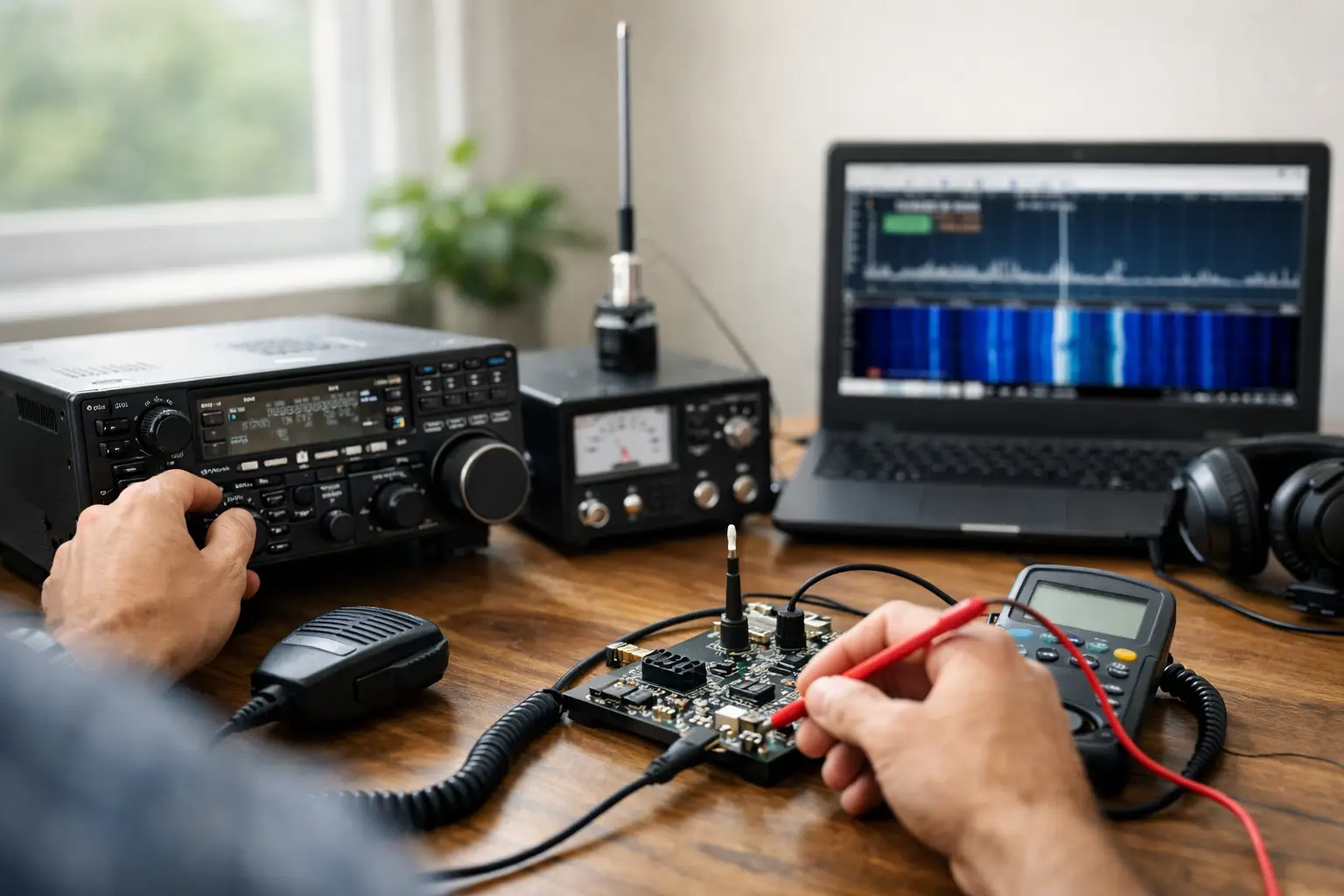
The setup is usually straightforward, but it does need attention. Most remote exam teams require a computer with a webcam, microphone, and stable internet connection. You may also need a smartphone or second camera so proctors can view your workspace from another angle. The exact requirements vary by team, which is why reading the session instructions carefully matters.
Your room matters too. The ideal testing space is quiet, private, well lit, and free of papers, extra screens, books, and other materials that could create a compliance issue. Proctors often ask to see your desk, walls, floor area, and nearby surfaces before the exam begins. That is normal. They are not trying to make the process difficult. They are making sure the session meets the same integrity standards expected anywhere else.
You will also need proper identification and, in many cases, an FCC Registration Number. If you are upgrading, have your current license information available. Getting those details ready ahead of time prevents delays on exam day.
How a home-based exam session usually works
Most sessions follow a similar rhythm. You register in advance, receive instructions, and join the video meeting at your scheduled time. The examiners check your ID, confirm your FCC information, explain the rules, and review your room and equipment setup.
Once the session starts, you remain on camera while the proctors observe. Communication is usually clear and calm. If something needs to be adjusted, such as camera angle or desk placement, they will tell you exactly what to do. A good remote testing team is structured without feeling cold.
After you complete the exam, the team scores it and lets you know the result. If you pass and qualify for the next element, you may have the option to continue that same day. That is a major advantage for candidates who are better prepared than they realize or who have been studying for an upgrade already.
The best sessions feel efficient because expectations are clear from the start. That is one reason many candidates appreciate remote testing after trying it once.
Security and legitimacy matter
One of the first questions people ask is whether remote exams are really accepted. Yes, when administered properly by qualified examiners, remote amateur radio license exams are a legitimate path to licensing and upgrades. The credibility comes from the exam team, the procedures they follow, and the organization behind the session.
That is why candidates should pay attention to who is administering the exam, how clearly the process is explained, and whether the team demonstrates standards-driven professionalism. Convenience is valuable, but not if it comes with uncertainty. A reputable remote team will tell you what technology is required, how your identity is verified, what room checks are involved, and what happens after the exam.
This is where an ARRL-certified process gives candidates extra confidence. It signals that the team is operating within a recognized framework, not making up its own rules as it goes.
Common concerns about home testing for amateur radio
The biggest concern is usually technical trouble. Internet issues, audio problems, or a device that will not cooperate can make any online appointment feel risky. That concern is fair. The practical answer is to test your equipment early, follow the instructions closely, and choose a quiet time when your connection is likely to be stable.
Another concern is test anxiety. Some candidates worry that the remote format will feel awkward or overly strict. In practice, many find the opposite. A well-run session is professional, but it is also predictable. You know where you will sit, what room you will use, and how the check-in works. That familiarity can reduce stress.
Then there is the worry about making a mistake during the room scan or setup. If you accidentally leave a notebook on a shelf or forget to move a spare monitor, it usually is not the end of the world. The proctors will tell you what needs to be corrected before the exam begins. The goal is compliance, not catching candidates off guard.
How to make your remote exam day easier
Preparation goes beyond studying the question pool. Set up your testing area the day before. Remove unnecessary items. Charge your devices. Restart your computer. Make sure your name on your registration matches your identification. Have your FRN and any required documents ready.
On the day of the exam, join a little early and give yourself a few quiet minutes first. That helps more than people expect. When you are not rushing, it is easier to listen, follow directions, and settle into the session.
It also helps to remember that the examiners want the process to go well. They are there to protect the integrity of the test, but they are also there to help qualified candidates complete it successfully. Teams such as Middle Tennessee Exams have built their remote process around both standards and support, which is exactly what most candidates need.
Is remote testing right for you?
If you want a convenient, recognized way to earn or upgrade your license without traveling to a test site, the answer is often yes. Home testing for amateur radio is especially useful for candidates with limited local options, full schedules, mobility concerns, or a preference for testing in a familiar environment.
Still, it is not automatically best for everyone. If your internet is inconsistent, your home is rarely quiet, or you are uncomfortable with video-based instructions, an in-person session may feel simpler. The right choice is the one that gives you the best chance to test fairly, calmly, and without avoidable complications.
For many future hams, though, remote testing has removed the last practical barrier between studying and getting on the air. If you are ready for the exam, testing from home can be the step that finally turns preparation into a callsign.