If you want to book amateur radio exam online, the biggest hurdle usually is not the exam itself. It is figuring out whether the process is legitimate, what you need before test day, and how remote testing actually works. For many candidates, especially those with busy schedules or limited local exam options, online testing removes the hardest part of getting licensed or upgrading.
That convenience matters more than ever. A lot of aspiring hams are ready to earn a Technician license, move up to General, or finally tackle Extra, but they get stalled by travel time, limited weekend sessions, or uncertainty about the sign-up process. Booking an online exam gives you a practical way to move forward without waiting for the perfect in-person opportunity.
Why more people book amateur radio exam online
Remote amateur radio testing has become a reliable option for candidates across the United States. When the session is administered by an ARRL-certified team using a structured remote proctoring process, the exam remains compliant with FCC and volunteer examiner standards while giving you the flexibility to test from home.
That combination is what makes online exams appealing. You still take a nationally recognized amateur radio license exam, but you avoid the friction that often comes with finding a local test site, driving across town, or rearranging your workday. For working professionals, retirees, emergency communications volunteers, and hobbyists in rural areas, that is a real advantage.
There is also a comfort factor. Many candidates perform better in a familiar environment with clear instructions and a professional but supportive testing team. Remote exams do not make the standards easier, but they often make the experience feel less intimidating.
What to expect when you book amateur radio exam online
The booking process is usually straightforward, but it helps to know what happens before you reserve a session. Most online exam providers will offer scheduled appointments rather than on-demand testing. That means you choose from available dates and times, register in advance, and receive instructions for the session.
Before you book, confirm that the team is qualified to administer amateur radio exams remotely. ARRL certification matters because it signals that the volunteer examiner team is following established procedures. You should also expect a clear explanation of the technology used, typically a video platform such as Zoom, along with information about identification, payment, room setup, and required devices.
Some candidates assume online testing is casual because it happens at home. It is not. The process is structured, and that is a good thing. A well-run remote session protects exam integrity while also making sure you know exactly what to do.
How to choose the right online exam session
Not every candidate needs the same thing from a test session. If you are taking your first Technician exam, you may want extra reassurance, simple instructions, and a team that is used to helping nervous first-time test takers. If you are upgrading to General or Extra, you may care more about scheduling flexibility and fast turnaround.
Look for a provider that makes the logistics clear. You should be able to tell, before booking, what the exam fee is, what documents you need, how check-in works, and what happens after you pass. Immediate or very fast result handling is especially important if you are eager to get on the air or move to the next license class.
Support also matters. A responsive team can make the difference between a smooth exam day and a stressful one. If you have questions about your FRN, photo ID, device setup, or previous license information, it helps to know there is a real person available to guide you.
What you need before test day
Once you book your exam, preparation is partly about the material and partly about the setup. Most candidates focus only on studying, but remote testing requires a little technical preparation too.
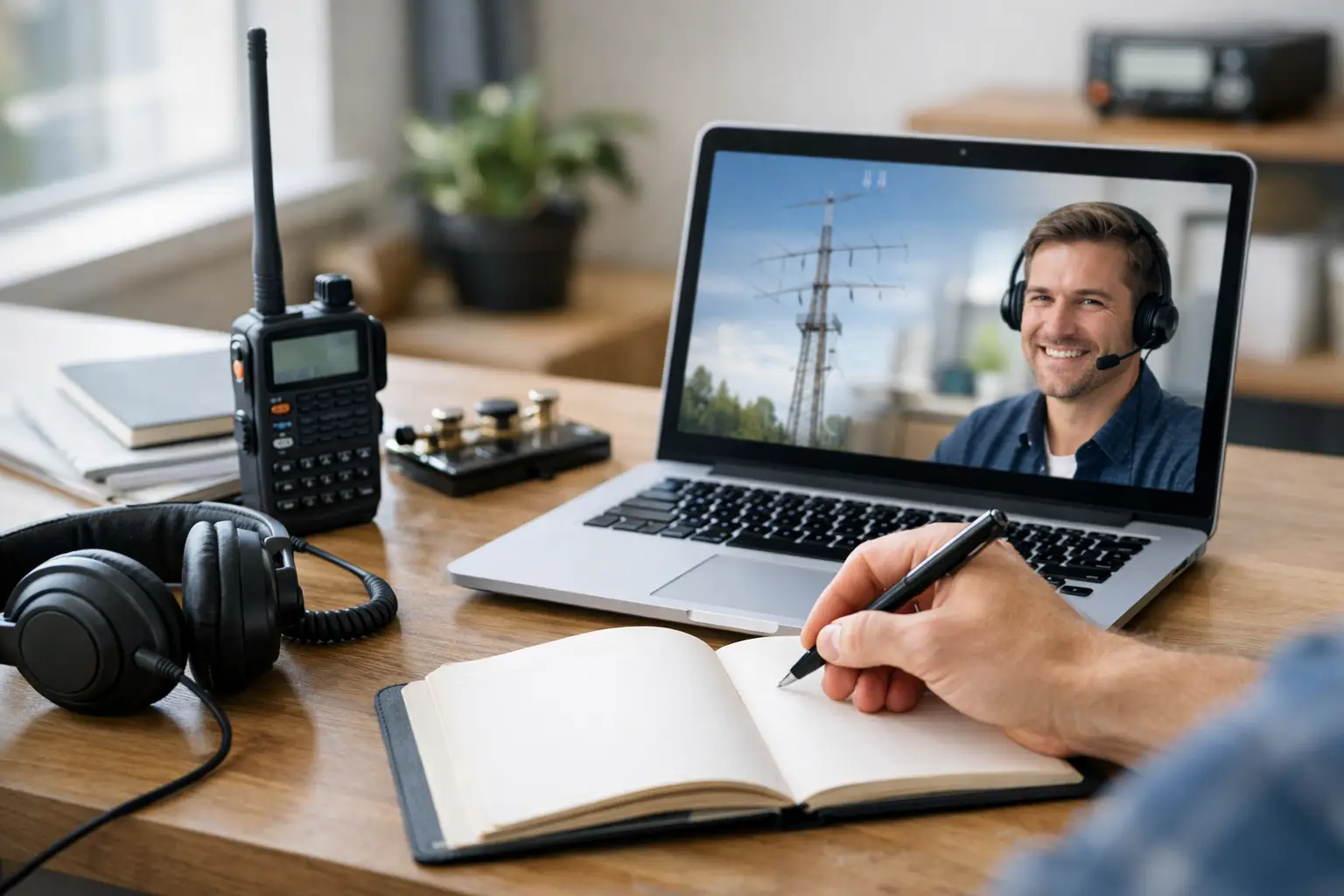
You will generally need a reliable internet connection, a quiet room, a computer or tablet that supports the video platform, and a camera view that allows proctors to observe your testing environment. Some sessions may also require a second camera device, such as a smartphone, so the exam team can monitor your workspace from another angle. Exact requirements vary, so read your instructions carefully.
You should also have your FCC Registration Number, legal identification, and any required paperwork ready before check-in begins. If you are upgrading, make sure your current license information matches the registration details you provide. Small mismatches can slow things down.
The room itself matters more than many people expect. Clear your desk, remove unauthorized materials, and choose a space where interruptions are unlikely. A compliant room setup is not just a technicality. It helps the session stay on schedule and gives everyone confidence in the testing process.
Common concerns about online amateur radio exams
A lot of first-time candidates ask whether online exams are harder. The better answer is that they are different, not harder. The question pool, passing score, and exam standards remain the same. What changes is the delivery method.
Some people worry about the technology. That concern is reasonable, especially if you do not use video conferencing often. A good exam team reduces that stress by providing clear instructions ahead of time and guiding you through check-in. If your internet is usually stable and you test your equipment in advance, the process is often smoother than expected.
Others wonder whether online testing is accepted everywhere. For FCC amateur licensing, what matters is that your exam is administered by an authorized volunteer examiner team following proper procedures. The location of your desk is not the issue. The legitimacy of the exam process is.
There is one trade-off worth acknowledging. In-person testing can be simpler for candidates who are not comfortable with devices or who do not have access to a private room and strong internet. Online testing is highly convenient, but it works best when your home setup can meet the session requirements.
Why scheduling flexibility makes a difference
One reason candidates postpone getting licensed is that test sessions do not always line up with real life. Work schedules change. Family obligations come up. Some local exam teams meet only once a month or less. If you miss a date, you may wait weeks for another chance.
Online testing helps solve that problem. A provider with broad availability gives you more control over your timeline, whether you want to test quickly after finishing a study course or need a specific evening or weekend slot. That flexibility can keep your momentum going.
It also helps candidates who are upgrading. Many operators spend months saying they will take General or Extra someday, then keep putting it off because the logistics are inconvenient. Being able to schedule from home often turns a vague plan into a concrete next step.
What a supportive exam team should feel like
Professional testing does not have to feel cold. In amateur radio, the best exam teams understand that they are not just administering paperwork. They are helping people join or advance in a community.
That is why tone matters. Candidates deserve a process that is standards-driven but still welcoming. You should feel like the team takes compliance seriously while also respecting that test day can be stressful. Clear communication, organized instructions, and calm guidance go a long way.
That balance is a big part of why many candidates choose an online team like Middle Tennessee Exams. The goal is not only to deliver a valid remote exam, but to make the experience feel manageable from registration through results.
After you pass
Passing the exam is usually followed by paperwork processing and result submission. In many cases, a well-organized team can move that process along quickly so you are not left wondering what happens next. If you are a new licensee, you will wait for your call sign to appear in the FCC system. If you are upgrading, your new privileges may matter right away.
This is another place where good communication helps. You should know whether there are any follow-up steps on your end and roughly what timeline to expect. Fast feedback reduces uncertainty and gives you a clearer path to getting on the air.
If you do not pass, that is not the end of the road. Many candidates need another attempt, especially at the General and Extra levels. A respectful exam team will treat that outcome professionally and help you understand your options for retesting.
Booking an amateur radio exam online is not just about convenience. It is about removing unnecessary barriers so you can focus on what matters – earning the license or upgrade you have been working toward. If the process is legitimate, clearly explained, and supported by a professional team, testing from home can be one of the simplest ways to take your next step in amateur radio.