Taking an FCC amateur radio exam from your own home should feel convenient, not uncertain. Strong exam security is what makes that convenience possible. It protects the value of every Technician, General, and Extra Class license while giving honest candidates confidence that their results reflect what they know.
For remote testing, security does not mean creating an intimidating experience. It means following a clear, consistent process: confirming who is testing, preparing the testing space, monitoring the session appropriately, and handling results carefully. When candidates know what to expect, they can focus less on logistics and more on demonstrating their knowledge.
Why Exam Security Matters in Amateur Radio
An amateur radio license is more than a personal milestone. It authorizes access to frequencies, operating privileges, and a community built on technical skill, responsible communication, and public service. The FCC examination system exists to ensure that new and upgrading operators understand the rules and knowledge appropriate to their license class.
That is why a legitimate remote session must meet the same high standard as an in-person exam. Candidates who study hard deserve to test in a setting where everyone follows the same rules. Volunteer Examiners also have a responsibility to protect the integrity of the examination process and submit accurate results.
Good security serves everyone involved. It helps preserve confidence in amateur radio licenses, supports fair treatment for every candidate, and allows qualified testing teams to offer flexible online appointments without compromising standards.
What Candidates Can Expect During a Secure Remote Exam
Remote proctoring works best when the process is straightforward. Before the appointment, candidates receive instructions for joining the video session and preparing their space. Reading those instructions ahead of time prevents most day-of-test surprises.
Identity Verification
The testing team must confirm that the person taking the exam is the registered candidate. Candidates should be prepared to show acceptable identification as instructed and provide any required licensing information. If someone is upgrading, accurate FCC registration details help the team process the application correctly.
This step is routine. It is not about making assumptions about a candidate. It is simply one part of maintaining a reliable testing record.
A Clear View of the Testing Area
A remote examiner cannot walk through a room as they could at a local test session, so candidates are typically asked to use their camera to show the surrounding workspace. The goal is to verify that the exam is being taken in a suitable area without unauthorized materials or assistance.
A kitchen table, desk, or quiet room often works well. Choose a place with enough light for the camera, a stable internet connection, and minimal interruptions. It is wise to clear the surface before the session rather than rushing to do it while the team waits.
Candidates may be asked to place phones, notes, books, extra monitors, smart devices, or other materials out of reach unless a specific item has been approved for the exam. The exact requirements can vary by testing team and exam platform, so follow the instructions provided for your scheduled session.
Live Proctoring and Communication
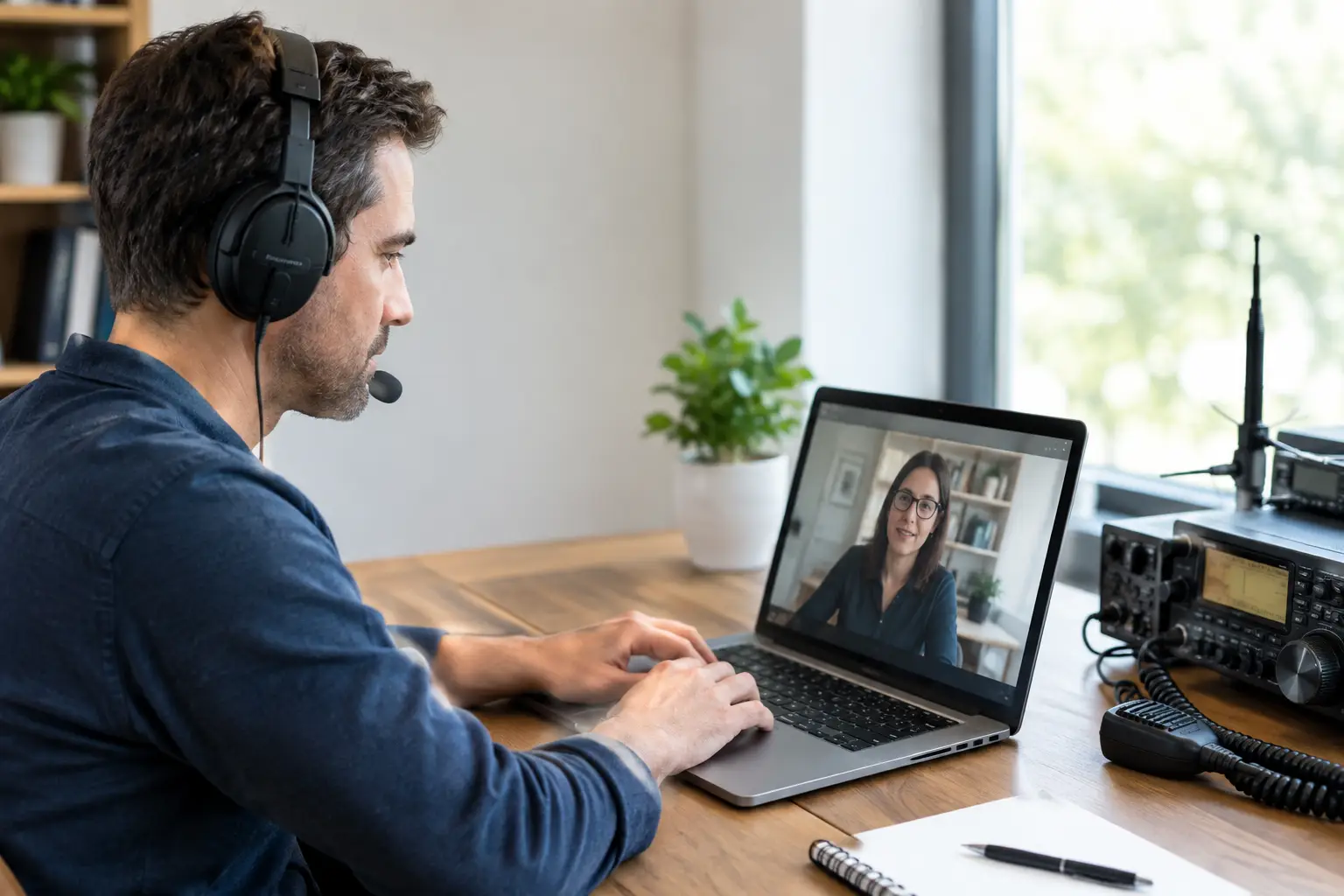
During a remote amateur radio exam, Volunteer Examiners monitor the session by video and communicate with the candidate when needed. This human oversight is a major advantage. If there is a question about a technical issue or a procedure, candidates have real people available to provide direction.
Proctors are there to administer a fair exam, not to add pressure. A professional team will explain what is happening, give clear instructions, and keep the process moving. The candidate’s role is simple: remain visible as directed, avoid communicating with others, and ask before doing anything that could affect the session.
Preparing Your Space Without Adding Stress
The best way to make security procedures feel easy is to prepare before your appointment begins. Think of it as setting up your station before calling a net: a few minutes of readiness helps everything run smoothly.
Start with your equipment. Use a computer that meets the session requirements, test your camera and microphone, and connect to dependable internet. Charge your device or keep it connected to power. Close unnecessary applications and turn off notifications that could interrupt the session.
Then prepare your room. Let household members know you need uninterrupted time. Keep pets in another room if possible. Remove study guides and notes from the desk, and place your phone away from the testing area. If you are permitted to use scratch paper or a calculator for a particular examination, have only the allowed item available and wait for examiner instructions.
Finally, join the appointment early. Arriving a few minutes ahead gives you time to resolve an audio, video, or connection issue without feeling rushed. It also gives the exam team time to complete check-in properly.
Security Is Also About Fairness and Privacy
Candidates sometimes hear the word “security” and picture a cold or overly rigid process. In reality, the strongest programs balance integrity with respect. A candidate should understand why a camera check is needed, how the session will be monitored, and what information the testing team needs to collect.
Testing teams should handle candidate information responsibly and limit access to the people who need it to administer the exam and complete required licensing paperwork. Candidates, in turn, should use a private location where they are comfortable showing the testing area on camera and where conversations will not be overheard.
There can be practical trade-offs. A more thorough check-in may take a little longer than a casual video call, but it helps avoid questions later about whether the session met required standards. A quiet, uncluttered room may require a bit of planning, but it lets candidates test with fewer distractions. These small steps support a process that is convenient and credible.
What Happens If Something Goes Wrong?
Technology is useful, but it is not perfect. Internet interruptions, camera trouble, unexpected household noise, or a computer update can happen. The right response is not to panic or try to solve the problem silently. Tell the exam team what happened and follow their directions.
Whether a session can continue depends on the situation and the applicable procedures. A brief, clearly explained technical issue may be easy to address. A disruption that prevents proper monitoring may require a pause or a rescheduled exam. While that can be disappointing, consistent decisions protect both the candidate and the credibility of the examination.
This is one reason clear communication matters. A supportive testing team will explain the next step and help candidates understand their options. MidTENN Nationwide Testing uses a structured remote process designed to make those expectations clear while keeping the experience welcoming for first-time and experienced operators alike.
How Candidates Help Protect the Process
Exam integrity is a shared responsibility. Candidates help protect it by studying from legitimate materials, following the instructions for their appointment, and treating the remote session with the same seriousness they would bring to an in-person test.
If you need an accommodation, have a concern about your setup, or are unsure whether an item is permitted in your testing space, ask before exam day when possible. Questions are welcome. Getting an answer in advance is far easier than discovering a conflict during check-in.
A secure exam does not have to feel stressful. Prepare your equipment, clear your workspace, join on time, and trust the knowledge you have earned. That preparation lets the exam session do what it should: give you a fair opportunity to take the next step in amateur radio.