A license exam should test your radio knowledge, not your ability to drive across town, find an unfamiliar building, or fit a single monthly session into an already full calendar. The right amateur radio testing features make earning a first license or upgrading from home feel organized, legitimate, and manageable. They also protect the integrity of an FCC examination, which matters to every operator who takes pride in the amateur service.
For a first-time Technician candidate, the process can feel unfamiliar. General and Extra candidates may know the material well but still wonder how remote proctoring works. A quality online exam session answers those questions before test day, provides clear human guidance during the appointment, and gives candidates a direct understanding of what happens next.
Amateur Radio Testing Features That Matter Most
Not every convenient option is an equally good testing experience. Remote amateur radio exams must balance candidate comfort with the procedures required for a valid examination. When comparing online testing sessions, look beyond the appointment time and fee. The details of scheduling, proctoring, support, and result handling affect whether your exam day is calm or unnecessarily stressful.
Flexible scheduling without sacrificing structure
Convenience begins with available exam times. Many aspiring hams work standard business hours, care for family members, or live far from an in-person testing location. Online sessions can remove the travel barrier, but only if appointments are offered often enough to fit real schedules.
Flexibility should not mean uncertainty. A well-run session provides a confirmed appointment, straightforward instructions, and a clear start time. Candidates should know how early to join, what identification to have ready, and how long to allow for check-in and the exam. That structure is especially helpful if you are testing before work, on a weekend, or after a long study period when you simply want to focus on the questions.
For upgrades, scheduling can make it practical to test while your study momentum is still strong. If you have been working through General or Extra material and feel ready, a nearby appointment can be more valuable than waiting weeks for the next local session.
Remote proctoring that is clear and professional
A legitimate remote exam is not just an online quiz. Volunteer Examiners must follow established procedures to verify identity, maintain exam security, and observe the candidate throughout the session. Those procedures are what allow remote testing to remain a trusted path to an FCC license.
A good testing team explains the process in plain language. You may be asked to show your photo identification, provide your FCC Registration Number, share a view of your testing area, and remain on camera while taking the exam. This is normal. Clear expectations prevent a routine security check from feeling like a surprise or a test-day problem.
The best experience is both careful and respectful. Proctors should be attentive to the rules without making candidates feel intimidated. There is a difference between strict compliance and a cold process. Friendly, organized Volunteer Examiners can maintain high standards while answering procedural questions and helping a nervous candidate settle in before the exam begins.
Simple technology requirements and preparation
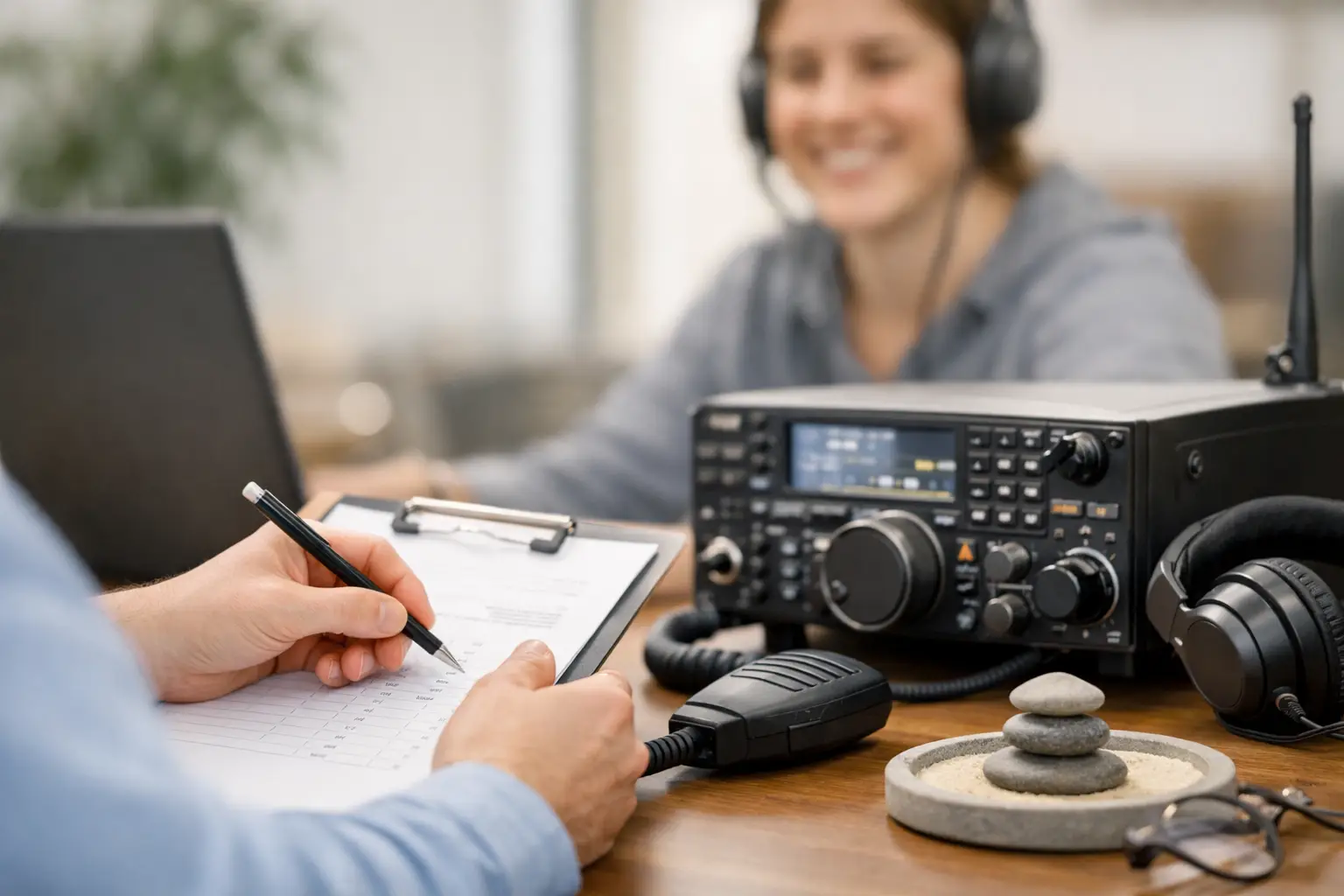
Most candidates already have the equipment needed for a remote session: a computer, dependable internet connection, webcam, microphone, and a quiet space. Still, the testing provider should spell out its technology requirements ahead of time rather than leave candidates guessing.
Before your appointment, plan to have these items ready:
- A computer with a working camera and microphone
- A stable internet connection and charged device
- Your legal photo identification and FCC Registration Number
- A private, well-lit room with a clear testing surface
It is wise to test your camera, audio, and Zoom access before exam day. Close extra browser tabs and apps, silence phone notifications, and let others in your household know you need uninterrupted time. If your connection is usually unreliable, consider whether another location or a wired connection would give you more confidence.
There are trade-offs to remote testing. An in-person session may be preferable for a candidate who does not have reliable technology, a private room, or comfort using video conferencing. For many others, however, spending a few minutes preparing a home setup is far easier than traveling to a testing site.
Real human support before and during the session
Testing anxiety often comes from uncertainty, not from the question pool. Candidates want to know what materials are allowed, whether a calculator may be used, how they will receive their score, and what happens if there is a technical issue. An online exam service should make it easy to get a real answer before the appointment.
Human support matters during the session, too. A friendly examiner can explain where to place an allowed reference sheet or how to complete a room scan without coaching on exam content. If a candidate has a legitimate procedural question, the answer should be clear and consistent.
This is one reason MidTENN Nationwide Testing emphasizes a structured, supportive remote process. Candidates deserve the convenience of testing from home without feeling as though they are left alone to figure out the rules. Helpful communication does not lower standards. It helps candidates meet them.
Features That Protect Exam Integrity
A low-stress exam experience should never be confused with a casual exam experience. Amateur radio licensing carries responsibilities, from operating within authorized privileges to supporting communications during community events and emergencies. The exam process needs safeguards that preserve public confidence in every new license and upgrade.
Identity verification and a controlled exam environment
Identity verification confirms that the person taking the exam is the person receiving credit for it. A controlled room scan helps ensure that prohibited materials, other people, and unauthorized devices are not available during the test. Continuous observation by the exam team supports the same purpose.
These steps may feel formal, but they serve candidates as well as the FCC and the Volunteer Examiner community. When procedures are followed consistently, every passing score represents the candidate’s own preparation. That credibility matters when you check into a net, volunteer for public service communications, or earn trust among fellow operators.
Candidates can make this portion easy by choosing a simple testing location. Clear your desk or table, remove papers and extra electronics, and avoid a busy room where someone may walk through. If you use a permitted calculator, follow the testing team’s instructions on showing it before the exam begins.
Appropriate tools, not unnecessary barriers
The rules for exam aids depend on the exam element and the administering team’s procedures. A calculator may be permitted for some questions, while phones, smartwatches, reference materials, and other electronic devices generally create security concerns. Ask before test day if you are unsure about a particular item.
A candidate should also expect a secure testing platform and clear instructions for accessing the exam. You should not need to be a computer expert to begin a session, but you should be ready to follow directions carefully. Taking a moment to read each pre-session email can prevent avoidable delays.
Fast Results and a Clear Next Step
One of the most reassuring amateur radio testing features is knowing your result promptly. After you submit your exam, the examiners review the outcome and let you know whether you passed. That immediate feedback gives you a clear answer after weeks or months of preparation.
If you pass, the team can explain the paperwork and submission process. A passing result does not automatically mean you can begin transmitting under new privileges that same minute. For a new license, wait until your call sign and license grant appear in the FCC system. For an upgrade, follow the instructions provided by your exam team regarding your Certificate of Successful Completion of Examination and operating authority while the FCC record is being processed.
If the score is not what you hoped for, a respectful testing experience still matters. Ask what retesting options are available, identify the question areas that need more study, and return when you are ready. One exam result is not a measure of whether you belong in amateur radio. The community has room for people who learn, practice, and keep going.
Choose Confidence Over Complication
The best online exam session feels straightforward because the preparation behind it is thorough. You receive clear instructions, meet professional Volunteer Examiners, complete a secure exam from a suitable home setting, and leave knowing where you stand. That is a meaningful improvement over a process built around travel, limited local dates, and unanswered questions.
Give yourself a quiet room, a tested computer, and enough time to check in without rushing. Then let your preparation do the work. Your next contact, net check-in, or license upgrade begins with one well-organized exam appointment.