
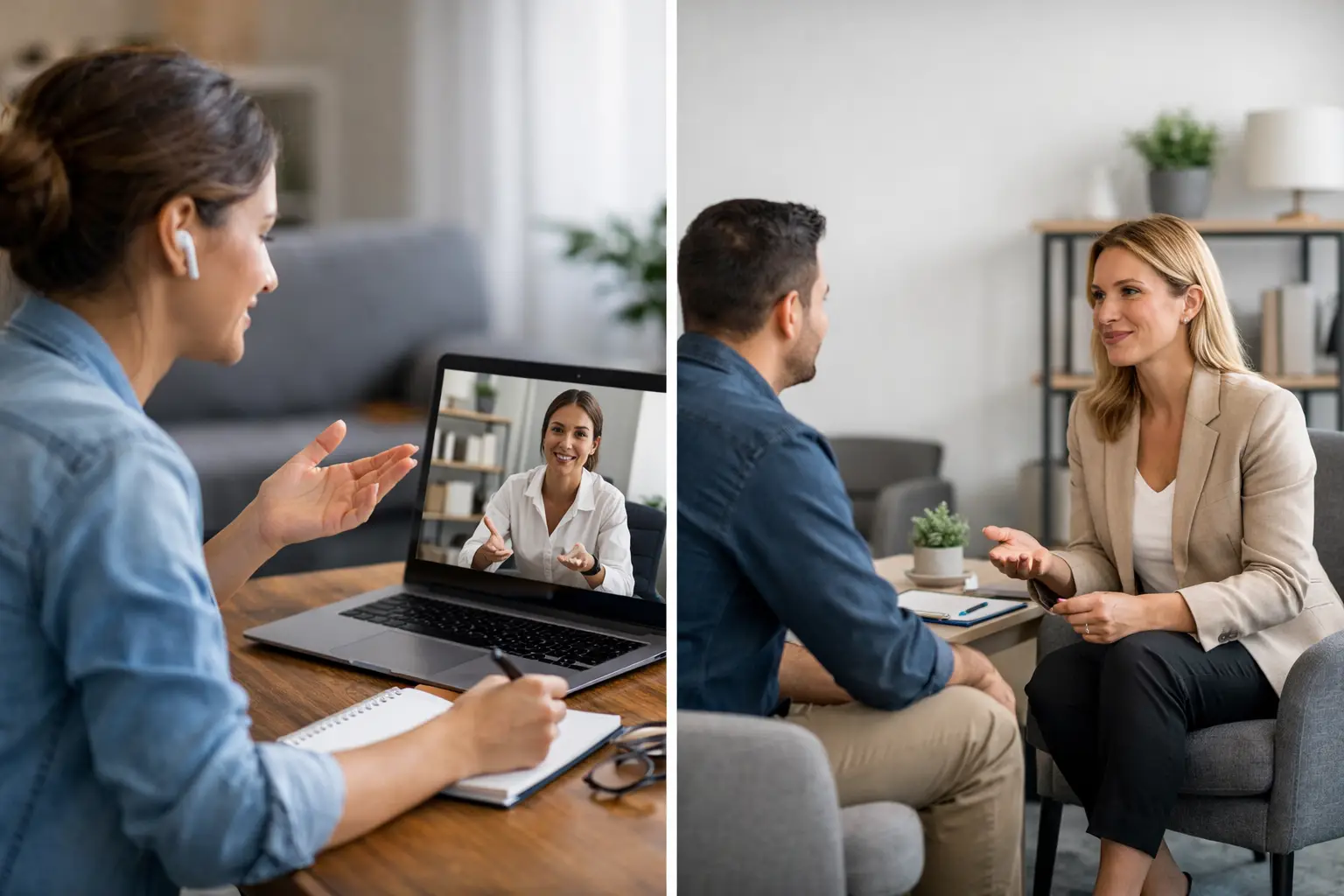
A license exam should be the final step in your studying, not the hardest part of your plan. When comparing online vs local VE sessions, the right choice usually comes down to your schedule, location, comfort with technology, and the type of support that helps you feel prepared. Both paths can lead to the same FCC amateur radio license. The difference is how you get there.
A Volunteer Examiner, or VE, is part of the process that makes amateur radio licensing possible. VEs administer the written exam under the oversight of a Volunteer Examiner Coordinator, or VEC. Whether your session is held in a community room or from your home, a properly administered exam follows established procedures designed to protect fairness and exam integrity.
What Changes Between Online and Local VE Sessions?
The exam questions, passing score, and license privileges do not change based on where you test. A Technician candidate takes the same question pool whether they sit at a table in a local club meeting space or join a remote session by video. The same is true for General and Extra Class upgrades.
What does change is the experience around the exam. A local VE session requires you to travel to a scheduled location, arrive at a particular time, and test in the setting arranged by the volunteer team. An online session replaces the drive and meeting room with a structured remote proctoring process. You test from home or another qualifying private location using a computer, camera, internet connection, and video meeting platform.
Neither format is automatically better for every candidate. The best option is the one that lets you arrive calm, prepared, and able to follow the session requirements without unnecessary stress.
Why an Online VE Session May Be the Better Fit
For many candidates, convenience is the clearest advantage of remote testing. Local exam sessions may be offered only once a month, may be a considerable drive away, or may happen during work, family, or weekend obligations. Online sessions can offer more scheduling flexibility, especially for candidates in rural areas or those whose nearest testing team is not close by.
Testing at home can also reduce the pressure that comes with finding an unfamiliar location and walking into a room full of people. You still need to take the exam seriously, but you can begin from a familiar environment. That matters for first-time Technician candidates who are excited about getting on the air but uneasy about formal testing.
A well-run online session is not casual or unmonitored. Candidates should expect clear instructions before the appointment, identity verification, a view of the testing area, and live proctoring throughout the exam. These steps help the VE team meet required standards while giving you a legitimate path to earn or upgrade your license remotely.
What You Need for a Remote Exam
Remote testing works best when you prepare your space before exam day. You will generally need a reliable internet connection, a computer with a working webcam and microphone, photo identification, and a private, quiet room. The testing team may ask you to show the room and your desk area through the camera so they can confirm that prohibited materials are not available.
You should also be ready to follow instructions about phones, smartwatches, extra monitors, papers, and other items that could create an exam integrity concern. Requirements can vary by session, so read every instruction from your VE team rather than assuming all remote exams operate exactly alike.
If technology makes you nervous, do not wait until the appointment to find out whether your camera works. Test your device, charge it, close unnecessary applications, and choose a location with dependable internet. A few minutes of preparation can make the experience feel much more straightforward.
When a Local VE Session Makes More Sense
An in-person exam remains an excellent choice, particularly when you have a nearby testing team and prefer face-to-face help. Some candidates simply feel more comfortable handing over their paperwork, sitting down with a pencil, and completing the process in a traditional setting. If that sounds like you, a local session may offer the lowest-stress route.
Local testing can also be useful if your home does not have a suitable private testing space or your internet connection is inconsistent. Remote proctoring depends on candidates being visible and connected for the entire session. A local venue removes those technical variables.
There is also a community benefit to in-person sessions. Many are hosted by amateur radio clubs, emergency communications groups, or volunteer teams that welcome new operators. You may meet local hams, learn about nearby repeaters and nets, or find people who can help you take the next step after your call sign is issued. For a new operator looking for a local radio community, that personal connection can be valuable.
Still, a friendly local session is only helpful if it is accessible. If attending means taking time off work, driving two hours, arranging childcare, or waiting several weeks for an opening, the traditional option may add friction that an online appointment avoids.
Online vs Local VE: The Standards Are What Matter
Candidates sometimes worry that an online exam is less official than an in-person session. That concern is understandable, especially because amateur radio licenses involve federal rules and operating privileges. The key question is not whether the room is physical or virtual. It is whether the exam is administered through an authorized VEC and qualified Volunteer Examiners following the required process.
A legitimate remote session verifies your identity, protects the exam environment, records your result accurately, and handles the required paperwork and submission process. Likewise, a legitimate local session should provide organized instructions, qualified examiners, and proper handling of your documents.
Before scheduling any session, confirm the provider’s credentials and review its process carefully. ARRL-certified exam teams, including Middle Tennessee Exams, are focused on making remote testing accessible without compromising the standards candidates and the amateur radio community rely on.
It is also wise to understand what happens after you pass. Your exam result is not the same thing as immediate authority to transmit. The VE team submits the required information, and your new or upgraded license privileges begin only after the FCC completes its processing and your updated authorization appears in the FCC system. A professional team can explain the next steps and provide timely feedback, but candidates should still wait for official FCC action before operating under new privileges.
Choose Based on Your Real Circumstances
A simple comparison can help. Online testing is often ideal when travel is difficult, your schedule is tight, or you want an appointment from a familiar setting. Local testing may be ideal when you prefer in-person interaction, have limited technology, or want to connect with a nearby ham radio group.
Think honestly about the setting in which you will perform best. If you have a quiet room, reliable equipment, and a busy calendar, remote testing may remove the biggest obstacles between you and your license. If video calls make you tense or your household cannot provide an uninterrupted room, an in-person session may give you more confidence.
Do not choose solely based on the closest date or the lowest apparent effort. Choose the format that allows you to follow every instruction, focus on the questions, and show what you have learned. A little convenience is useful, but confidence and preparation matter more.
Prepare for the Session You Schedule
No matter which format you select, study the current question pool for your license class and practice until you understand the concepts behind the answers. Memorizing can help you recognize questions, but understanding radio rules, safety, operating practices, propagation, and basic electronics will serve you better once you are on the air.
For a local session, gather your identification, FRN if required, any needed forms, and payment information before leaving home. Confirm the address, start time, and whether walk-ins are accepted. Arrive early enough that traffic or parking does not put you under pressure.
For an online session, complete the same paperwork preparation, then give equal attention to your technical setup. Read the instructions more than once. Clear your desk, notify others in the household that you need quiet, and log in early. If you have a question about a requirement, ask before exam day instead of trying to solve it while the session is underway.
Your amateur radio journey should begin with a testing experience that is organized, fair, and encouraging. Pick the VE format that supports your life, prepare carefully, and let your knowledge take center stage.