A ham radio license exam should feel like the final step in your preparation, not an obstacle course. That is the common thread in many low stress exam reviews: candidates want a legitimate, well-organized testing experience where they understand what will happen, can ask reasonable questions, and receive a clear result when they are finished.
For many aspiring operators, the material itself is only part of the concern. Finding a session that fits a work schedule, driving to an unfamiliar location, and worrying about formal test procedures can add pressure before the first question appears. A carefully run remote exam session can reduce those avoidable stressors while preserving the standards expected of an FCC amateur radio examination.
What Low Stress Exam Reviews Really Mean
A low-stress experience does not mean an easy exam or relaxed rules. Technician, General, and Extra Class candidates still need to know the material, follow testing requirements, and earn a passing score. The questions are real, and exam integrity matters.
Instead, low stress exam reviews usually describe the parts of the process surrounding the test. Candidates often value clear pre-exam instructions, a patient volunteer examiner team, a predictable check-in process, and prompt communication. Those details give people room to focus on what they studied rather than guessing what comes next.
This distinction is especially useful for first-time Technician candidates. A person may be comfortable learning basic electronics, operating practices, and FCC rules, but still feel nervous because they have never taken a remotely proctored exam. Experienced hams upgrading to General or Extra may have a different concern: fitting an exam into a full workweek or avoiding a long drive to the nearest local session. In both cases, convenience is helpful only when it is paired with a process candidates can trust.
Why the Testing Environment Affects Performance
Test anxiety is not always about a lack of preparation. Sometimes it comes from friction. A candidate who is rushing through traffic, hunting for a meeting room, or wondering whether paperwork is complete arrives with less mental energy for the questions that count.
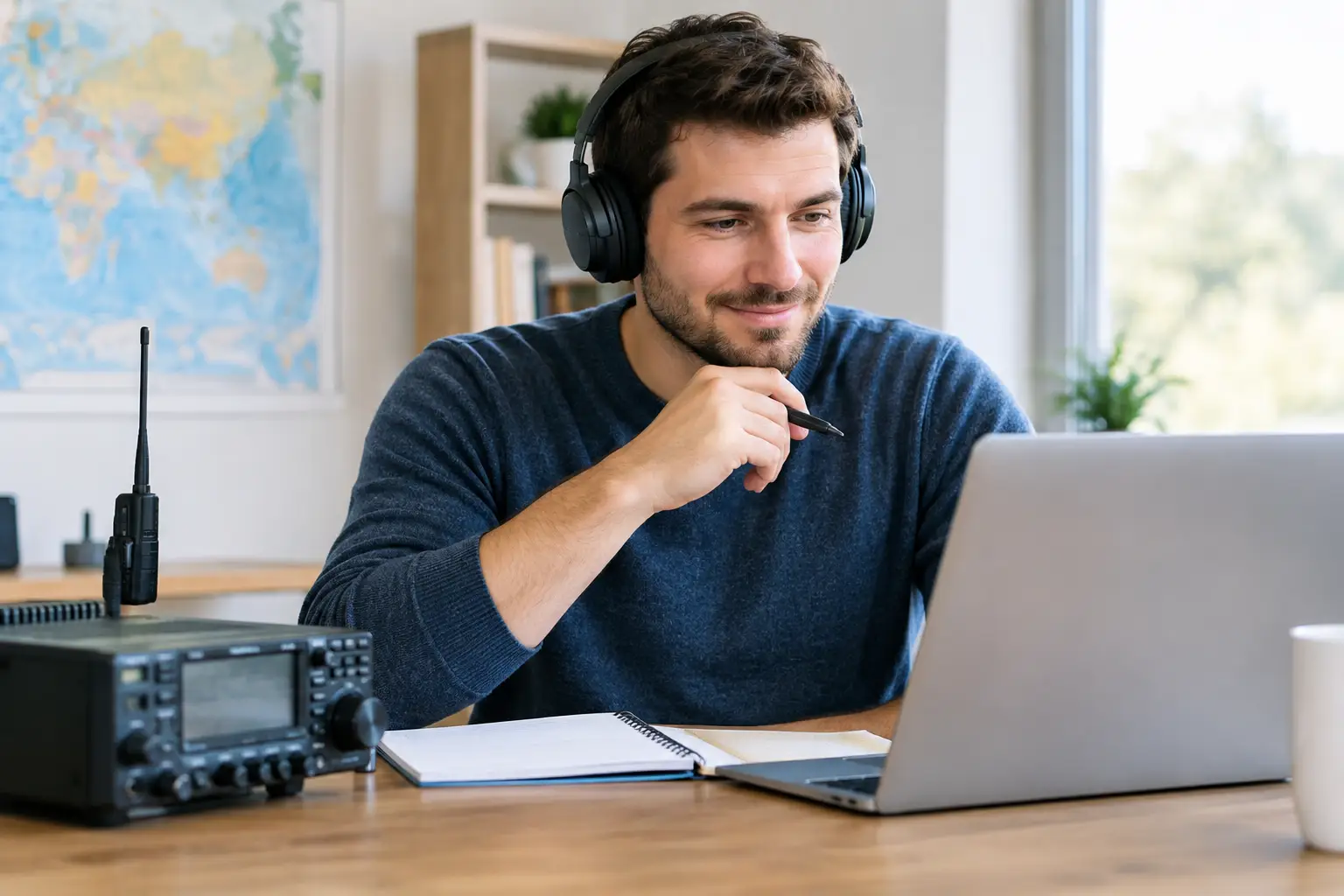
Testing from home can remove some of that friction. You can prepare your workspace in advance, join from a familiar setting, and schedule around other commitments when sessions are available. That does not eliminate normal nerves, but it can make those nerves more manageable.
The home setting is not automatically better for everyone. A reliable internet connection, a computer with a working camera and microphone, a quiet room, and enough uninterrupted time are essential. Candidates who share a busy household may need to plan carefully, and some people simply prefer the structure of an in-person session. The right choice depends on your circumstances, but remote testing is a strong option for candidates who value flexibility and can meet the session requirements.
Clear expectations reduce last-minute surprises
The most reassuring exam providers explain the process before exam day. Candidates should know what identification is needed, how the video meeting will work, what the room and desk check involves, whether a calculator is permitted, and how payment or required forms are handled.
That information is not merely administrative. It lets you prepare once and arrive ready. If you wait until the last hour to check your computer, find acceptable identification, or clear your desk, small problems can feel much larger than they are.
A well-run remote session also makes compliance understandable. Remote proctoring exists to protect every licensee and maintain confidence in the examination system. Professional volunteer examiners can be friendly and helpful while still being thorough about the rules. Candidates tend to feel more at ease when they understand that structure is there to ensure a fair result for everyone.
How to Prepare for a Calmer Exam Session
The best way to make testing day feel lower stress is to separate studying from logistics. Study the question pool and concepts well before your appointment. Then, a day or two before the exam, focus on making the process itself familiar.
Start by reading every instruction from the exam team. Do not skim it. Confirm the session time and time zone, complete any requested registration steps, and make sure the name on your identification matches the information you provide. If anything is unclear, ask before the session rather than hoping it will sort itself out at check-in.
Next, test your technology from the same location you plan to use for the exam. Confirm that your device can join a Zoom meeting, your camera gives a clear view, and your microphone can be heard. Plug in your computer if possible. A stable internet connection matters more than a perfect-looking workspace.
Then prepare the room. Choose a quiet area where you can close the door and avoid interruptions. Clear your desk of papers, notes, books, extra electronics, and anything else that could complicate the required room check. Tell others in your household when you need privacy. These simple steps make check-in smoother and show respect for the exam process.
Finally, plan your arrival. Join early enough to settle in, but follow the session instructions about when to enter the meeting. Keep your identification nearby and have only permitted materials available. Once the exam begins, slow down and read each question carefully. You do not need to race through it.
What to Look for in Exam Feedback
When reading reviews of an amateur radio exam session, look beyond broad comments such as “easy” or “great.” The most useful feedback describes the candidate experience in practical terms.
Did the reviewer understand the instructions? Was the team professional during check-in? Did the volunteer examiners answer procedural questions respectfully? Did the process remain organized while following required security measures? Did the candidate receive a clear explanation of the result and next steps?
These details are more meaningful than a promise that nobody will feel nervous. Every candidate brings a different comfort level and different amount of preparation. A strong testing team cannot take the exam for you, but it can avoid adding unnecessary confusion or pressure.
It is also wise to recognize what reviews cannot tell you. One person may find video check-in simple while another needs more guidance with camera settings. A candidate who studied extensively may describe the entire experience as easy, while someone who rushed preparation may have a different view. Read for patterns: clear communication, consistent professionalism, and respectful treatment are better signals than one dramatic comment.
The Value of Immediate, Human Support
Automation is useful for scheduling and paperwork, but licensing exams are personal milestones. Candidates deserve to know that a real person is available when they have a question or encounter a problem. A responsive team can clarify instructions before the appointment and help keep a small issue from becoming a source of anxiety.
That human element matters after the exam, too. Passing the Technician exam opens the door to local repeaters, public service opportunities, experimentation, and conversations with a nationwide amateur radio community. Passing General or Extra represents another meaningful step in a longer radio journey. Receiving your result promptly lets you celebrate, make a plan, or decide what to review next without uncertainty.
MidTENN Nationwide Testing provides ARRL-certified remote amateur radio exam sessions designed around that balance: careful standards, practical convenience, and respectful candidate support. The goal is not to make the exam less legitimate. It is to make the path to a legitimate exam more approachable.
Confidence Comes From Preparation and Process
No provider can guarantee a passing score, and no testing format removes every nervous feeling. A fair exam should require focus. Still, candidates can control much of what makes the day feel difficult: study thoroughly, prepare the technology and room, review instructions early, and choose a session with a clear, professional process.
When the logistics are handled, you can give your attention to the questions and the license you are working toward. That is the kind of calm that matters most: not the absence of standards, but the confidence of knowing you are ready to meet them.