A license exam should be the last hurdle between you and getting on the air, not a reason to spend hours driving across town or waiting weeks for a local session. The best ham radio exam platforms make it possible to test from home while protecting the fairness, security, and credibility of the FCC licensing process.
For a first-time Technician candidate, convenience can make the difference between studying now and putting off the exam. For a General or Extra Class operator, an online session can be the practical choice when local testing dates are limited. Still, not every online option offers the same experience. The right platform should combine recognized volunteer examiner oversight, clear instructions, reliable scheduling, and real people who can answer questions before exam day.
What Makes a Ham Radio Exam Platform Legitimate?
An amateur radio license exam is not simply an online quiz. It is an official examination administered by accredited Volunteer Examiners, or VEs, under a Volunteer Examiner Coordinator. Once a passing result is processed, the FCC can issue or upgrade your amateur radio license.
That distinction matters. A practice-test website may help you learn the question pool, but it cannot grant a license. A legitimate exam platform provides access to an actual, supervised exam session and follows the procedures required for remote testing. Candidates should be able to understand who is administering the session, what identification is required, how proctoring works, and what happens after they pass.
Look for a testing provider that is open about its process. Clear session instructions are a good sign because remote testing depends on preparation from both the candidate and the VE team. You should know what device to use, how your testing space must be arranged, whether a camera sweep is required, and how your exam result will be handled.
Best Ham Radio Exam Platforms: What to Compare
The best choice depends on your schedule, comfort with technology, and need for support. Rather than choosing solely based on the first open appointment, compare the details that affect your experience and the validity of your result.
Recognized exam administration
Start with the organization behind the session. A platform should administer exams through a recognized VEC and accredited Volunteer Examiners. This gives candidates confidence that the exam is being conducted under established amateur radio testing standards, not through an informal or unverified process.
For many candidates, an ARRL-affiliated testing team is especially familiar and reassuring. ARRL VEC-administered exams are widely recognized in the amateur radio community and follow a structured process for submitting successful exam results. The goal is not to make the exam feel intimidating. It is to ensure that everyone receives a fair exam and that a passing result carries the weight it should.
Scheduling that works around real life
A convenient platform does more than advertise online testing. It offers appointments at times that are realistically useful. Evening availability, weekend sessions, and regular exam dates can be valuable for working adults, caregivers, students, and candidates who live far from a testing location.
Consider how far in advance you must schedule. Some candidates prefer booking a specific date after finishing a study plan. Others are ready to test as soon as they are consistently passing practice exams. A provider with broad availability gives you more control over that decision.
Also check whether the session time is clearly stated in your time zone and whether confirmation details arrive promptly. These small operational details can reduce the uncertainty that often adds stress before an exam.
A process that is secure but understandable
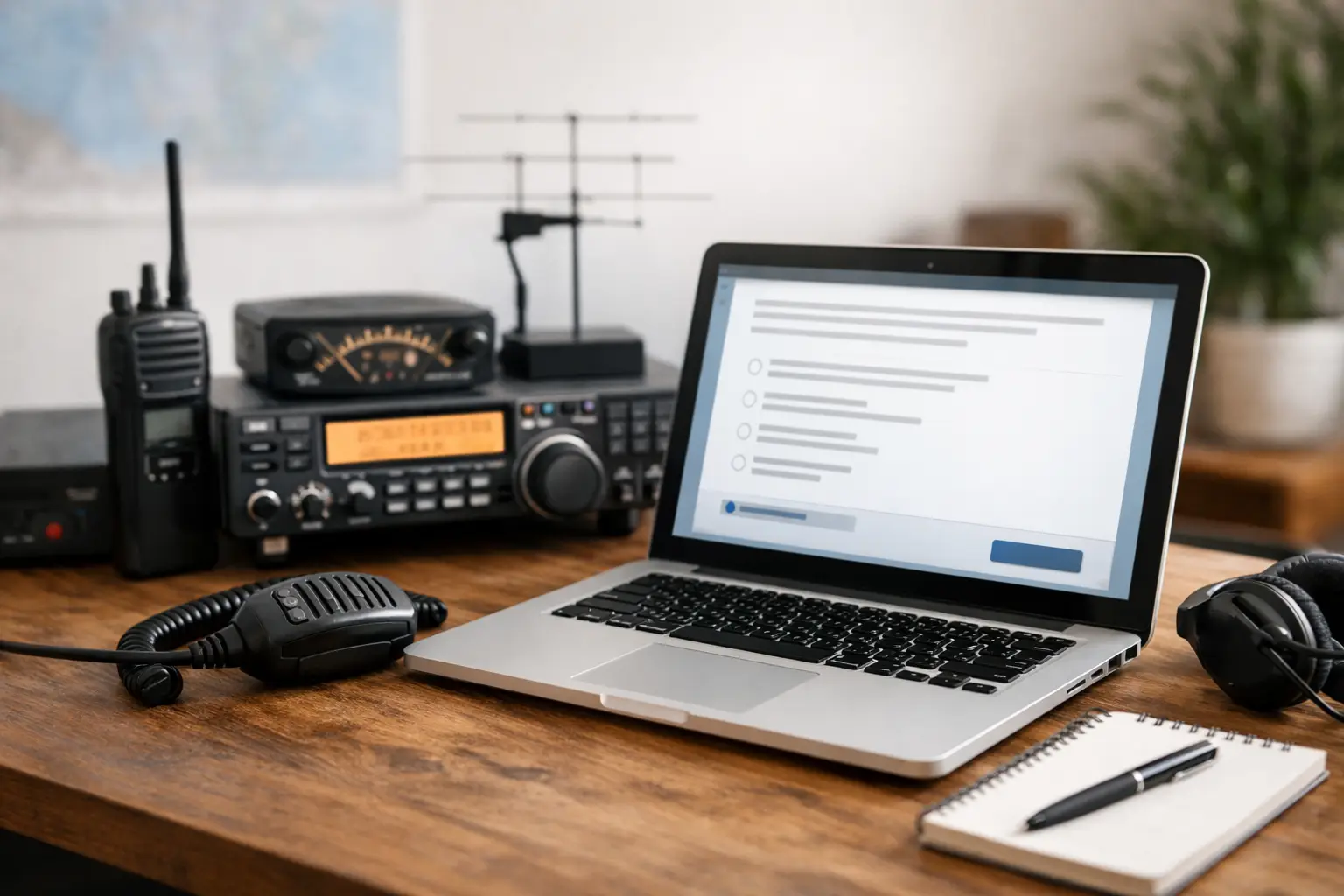
Remote proctoring is necessary, but it should not feel mysterious. Most legitimate online sessions require a computer with a camera and microphone, stable internet access, government-issued photo identification, and a quiet private room. Candidates are generally asked to show their work area and surroundings so VEs can confirm that prohibited materials are not present.
A well-run platform explains these expectations before the appointment. It should tell you whether a second camera view is needed, what calculators are allowed, whether scratch paper is permitted, and how to join the video meeting. If a candidate has questions about accessibility, equipment, or the remote setup, responsive human support is particularly valuable.
There is a trade-off here. A process with no meaningful proctoring may sound easier, but it should raise concerns about whether the exam is being administered properly. The best experience is one where the rules are clear, the VEs are professional, and the candidate understands each step.
Support from people who know the process
A testing platform can have polished scheduling software and still leave candidates stranded when a camera setting fails or an instruction is unclear. Look for access to a real person before and during the session. Friendly support is not just a convenience. It can prevent a minor technical issue from becoming a missed exam appointment.
This is especially important for first-time applicants. Many new hams have studied carefully but have never interacted with the FCC licensing process. They may need help confirming their FCC Registration Number, understanding photo ID requirements, or knowing what to expect after passing. A good team answers those questions directly without making a candidate feel like they should already know everything.
Prompt results and clear next steps
One of the benefits of a properly organized remote session is immediate feedback at the end of the exam. You should know whether you passed before leaving the video session. After a successful exam, the VE team submits the required paperwork for processing, and the candidate can watch for the FCC license grant or upgrade to appear.
Immediate feedback does not always mean the FCC record changes instantly. Processing time can vary, and candidates should be cautious of any provider that promises a specific FCC issuance time it cannot control. What a strong platform can provide is prompt submission, accurate paperwork, and clear guidance about what happens next.
Online Testing or an In-Person Session?
For many people, online testing is the better fit because it removes travel and expands scheduling options. It can be especially helpful for candidates in rural areas, people with mobility limitations, or operators whose nearest in-person session is only held once a month. Testing at home also lets you prepare your environment in advance and arrive at the session calm, organized, and ready.
In-person testing may still be preferable if your internet connection is unreliable, you do not have access to a suitable computer and camera, or you simply feel more comfortable with face-to-face procedures. Some candidates enjoy testing alongside a local club and meeting other operators. There is no wrong choice. The best platform is the one that lets you test confidently while meeting the required standards.
If you choose remote testing, do a trial run a day or two before your appointment. Check your camera, microphone, browser, power source, and internet connection. Set up in a quiet room with a clear desk, have your identification ready, and join a few minutes early. These simple steps help the session begin smoothly.
Study Tools Are Not Testing Platforms
Candidates often search for exam platforms when they actually need two different resources: a study tool and an official test session. Practice exams, flash cards, online courses, and printed study guides can all help you prepare for the current FCC question pool. They are useful because they reveal weak areas and help you become comfortable with the wording and pace of exam questions.
But passing repeated practice tests is not the same as completing an official exam. Use study resources to build knowledge, then schedule through a legitimate remote or in-person VE team when you are ready. For Technician candidates, it is wise to understand basic rules, operating practices, safety, and radio fundamentals rather than relying only on memorized answers. The same principle applies at the General and Extra levels, where stronger understanding helps you use your upgraded privileges responsibly.
A Better Way to Choose Your Exam Session
Before booking, ask a few practical questions. Is the session administered by accredited VEs? Are the instructions specific about equipment, ID, room setup, and permitted materials? Can you find an appointment that gives you enough time to prepare? Will someone help if you have a reasonable question before exam day? And will you receive your result at the end of the session?
MidTENN Nationwide Testing is built around those needs, offering scheduled remote ARRL-certified exam sessions for Technician, General, and Extra Class candidates. The focus is straightforward: provide a structured, convenient exam experience from home while maintaining the standards that protect amateur radio licensing.
Your license is the beginning of more conversations, more learning, and more ways to serve your community. Choose a testing platform that treats that first step with the same care you plan to bring to the airwaves.