A local exam session may be only a few miles away, yet still be out of reach when it is held on a weekday afternoon or once a month. For many aspiring operators, weekend remote exam availability removes that barrier. It gives you a practical way to test for a Technician license or upgrade to General or Extra Class from home, without arranging travel, taking time away from work, or waiting for the next nearby session.
Remote testing is not a shortcut around FCC requirements. The exam content, passing standard, identification checks, and proctoring expectations still apply. What changes is the setting: instead of traveling to a meeting room, you join an organized online session with volunteer examiners who can guide you through the process.
Why Weekend Testing Matters to Amateur Radio Candidates
Weekend appointments fit the lives of people who are drawn to amateur radio for very different reasons. A new Technician candidate may be balancing a full-time job and family responsibilities. A volunteer preparing for emergency communications may have limited weekday flexibility. An experienced operator studying for an Extra upgrade may simply prefer to test when there is time to focus.
For these candidates, convenience is more than a nice feature. It can be the difference between testing while study material is fresh and putting the goal off for another season. A scheduled remote session also helps candidates in areas where in-person exam opportunities are limited, seasonal, or a significant drive away.
There is a practical benefit after passing, too. Candidates can receive prompt feedback from the exam team rather than spending the rest of the day wondering how they performed. That immediate clarity is especially helpful when you have worked hard for an upgrade and are ready for the next step in the hobby.
What Weekend Remote Exam Availability Usually Means
Availability does not mean an exam can be started at any hour without an appointment. Remote amateur radio testing is a structured process that requires a scheduled session, accredited volunteer examiners, and time for every required check. Weekend openings depend on the exam team’s published schedule, examiner availability, and the number of candidates already registered.
That is why it is wise to look for a session before your preferred weekend rather than waiting until the night before. Reserving early gives you more choice in time slots and provides enough time to read the instructions, gather your identification, and prepare your testing space. If a particular Saturday or Sunday is full, another remote session may be available soon, but it depends on the schedule.
MidTENN Nationwide Testing offers scheduled, ARRL-certified remote exam sessions designed to give candidates a legitimate, organized path to licensing from home. The process is built around appointment-based testing, human support, and clear expectations, not an automated quiz or an unproctored practice test.
A Weekend Session Still Has Standards
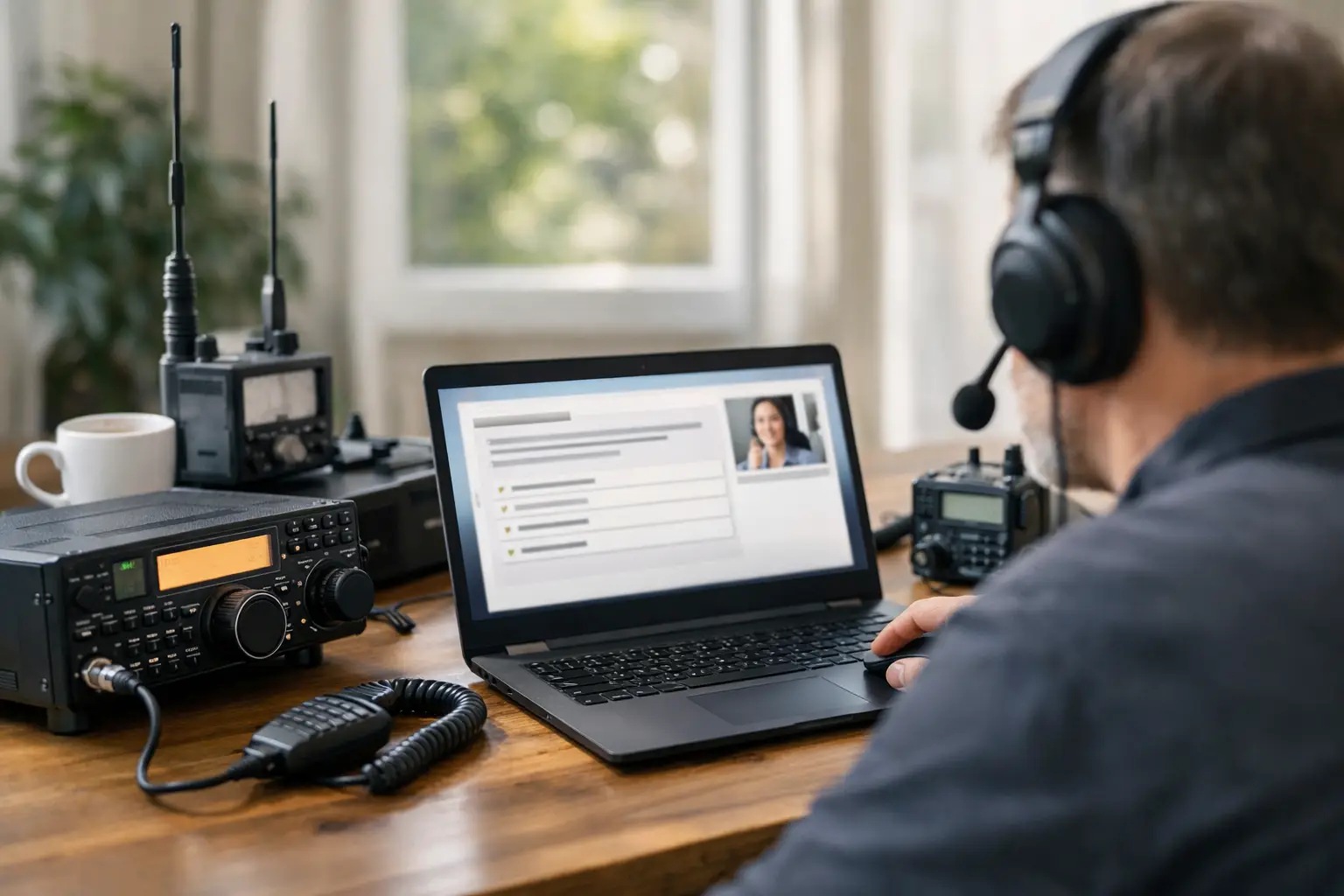
A convenient appointment should never leave you guessing about exam integrity. During a properly administered remote exam, volunteer examiners verify your identity and use a live video connection to oversee the session. Candidates are expected to follow the team’s instructions about their room, desk, computer, camera, and permitted materials.
These measures protect everyone involved. They help ensure that a passed exam represents the candidate’s own knowledge and that the resulting license or upgrade is handled through a recognized FCC examination process. A well-run remote session can feel friendly and low-stress while remaining careful and professional.
How to Prepare for a Weekend Remote Exam
The best weekend test experience begins before the appointment. Do not treat a remote session like a casual online form you can open from anywhere. Give yourself a quiet block of time and complete the technical checks in advance.
First, confirm the exact appointment time and the time zone listed in your confirmation. If you are testing from a different part of the country, this small detail matters. Plan to be ready early rather than joining at the exact start time, especially if the team asks candidates to enter a waiting room before the session begins.
Next, choose a private, well-lit space with a stable internet connection. Your testing computer should have a working camera, microphone, and speaker. Charge the device or connect it to power. Close unnecessary applications and silence notifications so they do not interrupt the session or create confusion during proctoring.
Have your required identification ready, along with your FCC Registration Number if you have one. Candidates who already hold an amateur radio license and are testing for an upgrade should also have the required license documentation available. Read the appointment instructions carefully because acceptable documents and setup expectations can vary by exam team.
Finally, use only the materials allowed for the exam element you are taking. A calculator may be permitted under specific rules, while study guides, handwritten notes, additional screens, and unauthorized assistance are not. If you are uncertain about an item, ask before test day. Clarifying a question early is much easier than having to reschedule.
Choosing the Right Weekend Time Slot
The best time is not always the first opening you see. Select a session that gives you room to prepare, arrive calmly, and complete the exam without competing obligations. Avoid booking immediately before a family event, a work call, or a long drive. Remote testing is convenient, but it still deserves your full attention.
Think about your home environment as well. Saturday mornings may be quiet in one household and hectic in another. Sunday afternoons may be ideal if the house is settled and the internet is less busy. If children, pets, roommates, or visitors could interrupt, choose a time when you can reasonably secure a private space.
Candidates often ask whether a late-weekend appointment is better because it allows more study time. Sometimes it is. But extra study time only helps if you use it well. If you are consistently passing current practice exams and understand why the answers are correct, an earlier opening may be the better choice. If you are still relying on memorized patterns or missing the same topic areas, take the additional time and review those areas before scheduling.
Reducing Test-Day Stress From Home
Testing at home can feel more comfortable than entering an unfamiliar room, but it can also create a new kind of anxiety: concern about technology, rules, or what happens after clicking “join.” Clear preparation helps replace that uncertainty with a routine.
Set up your workspace before the appointment. Remove papers and devices that are not permitted. Test your camera angle and audio. Keep your photo ID nearby. Then take a few minutes to settle in. You do not need a complicated ritual, but you do want to begin focused and ready to follow directions.
Remember that volunteer examiners are there to administer a fair exam, not to make candidates uncomfortable. Listen closely, answer setup questions honestly, and ask for clarification if you do not understand an instruction. A respectful, prepared candidate helps the session move efficiently for everyone.
If technical trouble occurs, stay calm. Internet and device issues can happen, particularly in remote testing. Follow the team’s directions rather than trying to improvise. Depending on the situation and the exam team’s procedures, a problem may be resolved during the session or require a new appointment. The trade-off for testing from home is that your equipment and connection play a larger role, so advance testing is worthwhile.
After You Finish the Exam
One advantage of an organized remote session is knowing where you stand before you leave the virtual room. If you pass, the exam team can explain the next steps for your paperwork and FCC processing. For a first-time candidate, that may mean waiting for the new call sign to appear before transmitting. For an upgrade, it may mean understanding when your new operating privileges begin.
If you do not pass, a supportive testing experience still matters. Ask what retest options may be available under the team’s procedures, then use the result as a focused study plan. Missing a pass by a few questions is disappointing, but it also shows exactly how close you are. Many successful operators have needed more than one attempt on a license element.
A weekend appointment should make your path into amateur radio more workable, not make the exam less meaningful. Choose a scheduled remote session, prepare your space and equipment, and give yourself the quiet time to show what you know. When the timing and process fit your life, earning that first license or moving up to the next class becomes a goal you can act on now.