
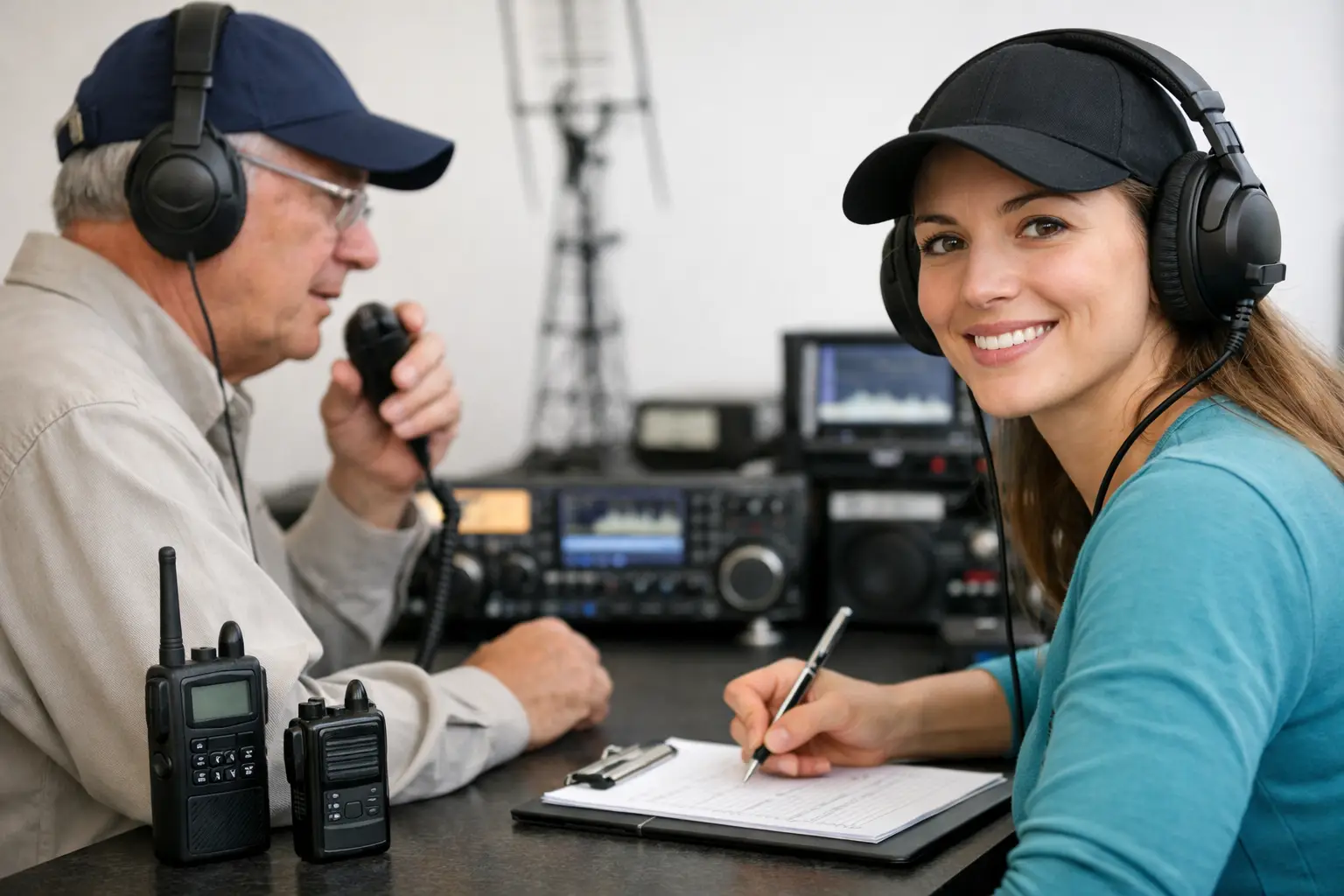
A lot of new hams ask the same question right before they schedule an exam: should you go for the technician or general license first? It is a fair question, especially if you are motivated, short on time, or trying to avoid taking more tests than necessary. The good news is that there is no bad path here. The right choice depends on what you want to do on the air, how ready you feel for the material, and whether you want the fastest entry point or broader operating privileges from the start.
Technician or General License First: What Changes?
The Technician license is the usual first step into amateur radio. It gives you full privileges above 30 MHz, which includes popular VHF and UHF bands used for local communication, repeaters, public service events, and many emergency communication activities. For many people, that is enough to get on the air, learn radio basics, and become part of a local club or operating community.
The General license opens up much more of the HF spectrum. That matters because HF is where amateur radio starts to feel bigger. It allows regional, national, and international contacts under normal conditions. If your goal is talking across the country, working DX, joining HF nets, or using radio in situations where local infrastructure may not be available, General privileges are a meaningful jump.
So when someone asks about technician or general license first, they are really asking a bigger question: do I want a quicker start, or do I want broader privileges as soon as possible?
Why Most People Start With Technician
For a true beginner, Technician is usually the most practical place to begin. The exam is more approachable, the concepts are foundational, and the privileges are enough to start operating right away in many common situations. You can get familiar with call signs, band plans, repeaters, basic safety, and operating procedure without taking on everything at once.
That first success matters more than people sometimes realize. Passing an exam, getting your call sign, and making your first contacts builds momentum. It turns amateur radio from an idea into a real activity. If you are unsure how deep you want to go, Technician lets you enter the hobby without overcommitting.
There is also a financial and practical side to it. Many new operators begin with a handheld or mobile VHF/UHF radio. If that is your plan, Technician privileges align well with the equipment you are likely to use first. You do not need to buy an HF setup immediately just because it sounds interesting.
For candidates who feel rusty with exams, Technician can also lower the stress level. A manageable first test often leads to a smoother upgrade later.
When General First Makes Sense
General first can be the smarter goal if you already know what you want from amateur radio. If your main interest is HF, long-distance communication, portable operating, contesting, or preparedness communications beyond local repeater range, General is often where the hobby really opens up.
There is one important detail, though. In the US, you do not skip Technician and go straight to operating as a General. You must earn Technician before General privileges can be granted. But you can absolutely take both exams at the same session if you are prepared. That is where some of the confusion comes from.
If you are asking whether to study for General right away, the answer may be yes. Many candidates successfully pass both Technician and General in one sitting. If you are already comfortable with electronics, regulations, and study-based testing, combining them can save time and help you reach your operating goals faster.
This approach is especially common for engineers, makers, scanner listeners, preppers, and technically minded hobbyists who are motivated by HF access from day one. It is also a good fit for candidates who simply do better when they stay in study mode and keep going instead of stopping after one exam element.
The Trade-Offs Most Articles Skip
The usual advice is simple: start with Technician. That is often sound advice, but it leaves out some real trade-offs.
If you only take Technician and then wait months or years to upgrade, you may spend that time limited to local or line-of-sight communication for most of your operating. Some people are perfectly happy there. Others get their license, buy a radio, realize they really wanted HF, and then lose momentum before upgrading.
On the other hand, if you try to take both exams too soon, you may turn a very achievable first step into a stressful experience. For some candidates, splitting the process into stages leads to better retention and a more confident start on the air.
There is also the issue of learning style. Some people want immediate action. They would rather pass Technician, start using a radio, and study General with real-world context. Others prefer to batch their effort, pass multiple elements in one session, and avoid revisiting test prep later.
Neither approach is more serious or more legitimate. It depends on how you learn and what kind of operating you want to do first.
How to Decide Which Path Fits You
A simple way to answer the technician or general license first question is to think about your first six months in amateur radio.
If you expect to use repeaters, check into local nets, support events, communicate around town, experiment with handhelds, or get involved with a nearby club, Technician is probably enough to start. You can build confidence, learn procedure, and decide later whether HF is worth the upgrade.
If you already know you want to work HF bands, make long-distance contacts, operate from parks, join emergency or preparedness networks with broader reach, or explore digital modes that benefit from HF access, then studying for both Technician and General from the start may be the better move.
Another practical question is how much time you can give to preparation right now. If your schedule is packed and you want the quickest path to a call sign, Technician is the efficient option. If you have momentum and can dedicate focused study time, pairing Technician with General may be worth it.
Taking Technician and General at the Same Session
This option deserves special attention because it is often the best middle ground. You do not have to choose between a cautious start and an ambitious one. You can prepare for Technician thoroughly, add General study on top of that, and attempt both at the same exam session.
If you pass Technician, you become eligible to take General immediately. If you pass both, you move straight into broader privileges without waiting for another appointment. If you pass only Technician, you still leave with a meaningful accomplishment and a clear next step.
That makes a combined attempt attractive for many candidates. It gives you upside without much downside, assuming you are reasonably prepared and comfortable with the exam process.
For remote exam candidates, this can be particularly convenient. A well-organized online session lets you test from home, stay focused, and avoid the hassle of coordinating multiple in-person trips. For many people, that convenience removes one of the biggest barriers to upgrading quickly.
A Practical Recommendation for Most New Candidates
If you are brand new, unsure of your long-term goals, or anxious about testing, start with Technician and let yourself enjoy the win. There is nothing small about earning your first FCC license. It gives you a real entry point into the hobby and a solid base for everything that follows.
If you are motivated by HF and willing to study a little more, prepare for both Technician and General and take them in one session. That path is efficient, common, and often easier than people expect once they commit to it.
If you are somewhere in between, schedule the Technician exam and study some General material before test day. If you feel ready when the time comes, attempt the second element. If not, no problem. Progress in amateur radio is still progress.
Teams like Middle Tennessee Exams see this firsthand with candidates from all kinds of backgrounds. Some want the fastest route to a first license. Others are ready to upgrade immediately. The best exam experience supports both – clearly, professionally, and without adding pressure.
The right first step is the one that gets you on the air with confidence. Pick the path that matches your goals, prepare honestly, and give yourself room to keep growing after the exam is over.