If you are ready to schedule your amateur radio exam, you probably do not need more motivation. You need a clear path. Most candidates reach this point after studying for weeks, passing practice tests, and realizing the hardest part is often not the material – it is figuring out where to test, when to test, and what the session will actually look like.
That is exactly where remote exam sessions have changed the experience for many new and upgrading operators. Instead of waiting for a local in-person session, driving across town, and hoping the schedule works with your life, you can often test from home with an ARRL-certified team that follows a structured process. For many candidates, that convenience is what finally turns “I should do this soon” into “I am taking my exam this week.”
Why scheduling matters more than most candidates expect
A lot of people treat scheduling like the final administrative step. In practice, it does more than put a date on your calendar. When you choose a session and commit to it, your studying becomes more focused. You stop reviewing vaguely and start preparing with purpose.
A scheduled exam also helps reduce test anxiety. That may sound backward, but uncertainty creates stress. Not knowing what the setup will be, what identification you need, or whether your local team even has openings can keep people stuck. Once your exam is booked, the process becomes concrete. You can prepare your room, review the instructions, and show up knowing what comes next.
This is especially true for busy adults. If you are balancing work, family responsibilities, retirement travel, emergency communications training, or a dozen other commitments, a flexible online session can make the difference between getting licensed now and putting it off for another six months.
How to schedule your amateur radio exam online
When you schedule your amateur radio exam online, the goal is not just to pick a time. The goal is to choose a legitimate session that is convenient, compliant, and easy to navigate.
Start by confirming which license class you plan to take. If you are new to amateur radio, that is usually the Technician exam. If you already hold a license and want expanded operating privileges, you may be preparing for General or Extra. Knowing your exam level keeps the registration process simple and helps the exam team prepare the correct materials.
Next, choose a session that fits your actual routine, not your ideal one. If you are freshest in the evening, do not book an early morning slot just because it is available sooner. If your home is noisy on weekends, a weekday session may be better. The best exam appointment is one that gives you the highest chance of being calm, prepared, and on time.
Once you select your session, read every instruction carefully. Remote amateur radio testing is straightforward, but it is still formal exam administration. You may need a photo ID, an FCC Registration Number, a computer with a camera and microphone, a stable internet connection, and a clear testing space. Some sessions may also ask you to join through a specific platform such as Zoom and complete a room check before the test begins.
That preparation is not there to make things difficult. It protects exam integrity and helps ensure that every candidate is tested fairly under FCC and ARRL expectations.
What to expect after you schedule your amateur radio exam
Most of the anxiety around remote testing comes from not knowing what the session will feel like. In reality, a well-run online exam is usually calm and organized.
After registration, you will typically receive instructions explaining what to bring, how to join, and what the proctors need to verify before the exam starts. Read those details early instead of five minutes before your appointment. Small issues, such as an outdated browser or missing FRN, are much easier to fix the day before.
At the scheduled time, you will join the session and check in with the volunteer examiners or proctors. They will confirm your identity, review the rules, and walk you through the setup. You may be asked to show your desk area, the floor around your station, or your computer screen. This is a normal part of remote administration and helps maintain a secure testing environment.
Then you take the exam. For most candidates, this is the point where the process becomes easier than expected. The setup is already done. The instructions are clear. The proctors are there to administer the session professionally, not to intimidate you.
If you pass, you may have the option to continue to the next license class in the same sitting, depending on the session format and your readiness. That can be a major advantage for candidates who are prepared to move from Technician to General, or General to Extra, without scheduling another appointment.
Remote testing vs. in-person sessions
Both options can work well. The right choice depends on your priorities.
In-person sessions appeal to candidates who prefer a traditional classroom environment or who are less comfortable with video platforms and basic computer troubleshooting. If you do not have reliable internet or a quiet place to test, an in-person exam may be the better fit.
But remote testing solves several common problems at once. It removes the drive, broadens your scheduling options, and often shortens the time between being ready and actually testing. For candidates in areas with limited local sessions, that matters a lot. Even in places with active amateur radio communities, local exam dates do not always line up with work schedules or family obligations.
There is also a comfort factor. Testing from home can lower stress for many people. You are in a familiar environment. You know where everything is. You are not walking into a room full of strangers wondering if you brought the right paperwork.
The trade-off is that you need to be a little more deliberate about your technical setup. A quiet room, a working webcam, and dependable internet are not optional. If those are easy for you, remote testing is often the more convenient path.
Common mistakes to avoid before exam day
The most common issue is waiting too long to gather your information. Candidates sometimes study diligently but forget to locate their FRN, verify their ID, or review the session instructions. That creates avoidable stress right before the exam.
Another mistake is overestimating your setup. If your laptop battery dies quickly, your Wi-Fi drops regularly, or your desk is in the middle of a busy household, address that before exam day. Remote sessions work best when the environment is simple and predictable.
It is also wise not to cram at the last minute. By the time you are ready to test, confidence matters more than one more late-night review session. If your practice scores are consistently solid, rest is usually a better investment than panic studying.
Finally, do not assume every exam team operates exactly the same way. Good teams follow the same compliance standards, but their scheduling steps and check-in instructions may vary. Read what your selected team sends you and follow that guidance closely.
Choosing a team you can trust
When you book a remote session, you are not just choosing a timeslot. You are choosing the people who will administer a credential that matters. That is why professionalism should be part of your decision.
Look for a team that clearly explains the process, communicates promptly, and uses ARRL-certified procedures. Candidates should know what to expect before the session starts. A quality exam team makes the process feel organized and supportive while still maintaining proper standards.
That balance matters. Amateur radio has always been a technical service and a community. The exam experience should reflect both. It should be handled carefully, but it should also feel welcoming to first-time candidates and respectful to experienced operators upgrading after years on the air.
Middle Tennessee Exams is one example of that kind of approach, offering structured remote sessions with direct support and a low-stress process designed to help candidates move forward confidently.
Schedule the exam before your momentum fades
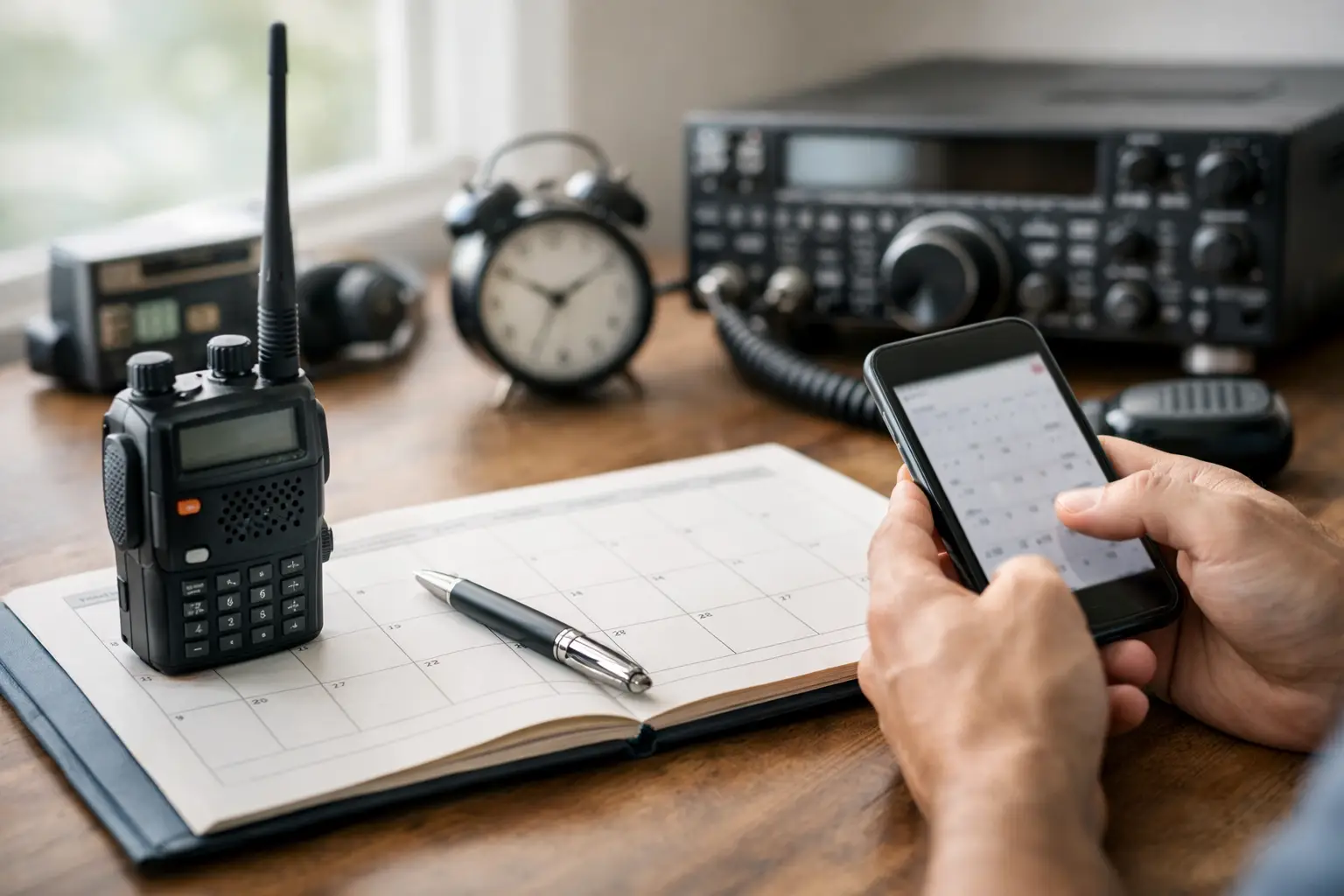
There is a point in every candidate’s prep when more waiting stops being useful. If your practice scores are where they should be and you understand the session requirements, the next smart move is to schedule your amateur radio exam and put a real date on the calendar.
You do not need a perfect week, a perfect desk, or a perfect level of confidence. You need a legitimate exam team, a workable time slot, and a clear plan. Once those pieces are in place, the process becomes much more manageable.
The amateur radio community grows one successful exam session at a time. If you are ready, give yourself the advantage of a convenient, well-run testing experience and take the next step from home.