A lot of people put off getting licensed for one simple reason – the exam itself feels harder to arrange than the studying. If that sounds familiar, a remote ham radio exam can remove one of the biggest barriers. Instead of waiting for a local session, driving across town, or trying to match a busy schedule to a limited test date, you can take your exam from home with a qualified remote team guiding the process.
That convenience matters, but only if the testing experience is legitimate, secure, and clear. For most candidates, the real question is not whether online testing exists. It is whether it is recognized, whether the rules are strict, and whether the process will feel confusing on exam day. The good news is that a properly administered remote session is built to meet the same standards as an in-person one while making the experience much easier to fit into real life.
How a remote ham radio exam works
At its core, the exam itself does not change. You are still taking the same FCC license exam for the Technician, General, or Extra class. The question pools are the same, the passing standard is the same, and the session must still be administered by certified volunteer examiners following established procedures.
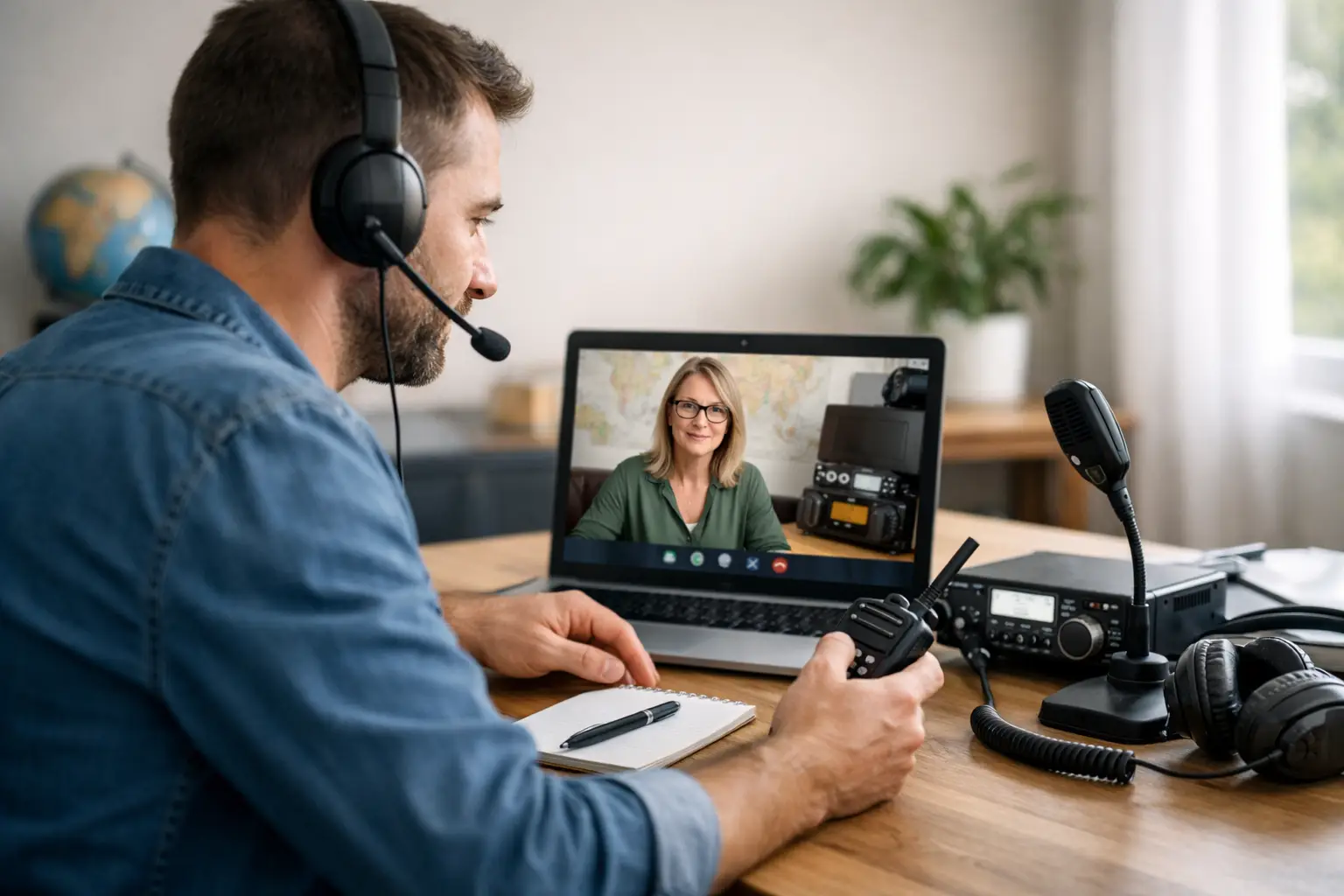
What changes is the format. Instead of sitting at a table in a classroom or club meeting space, you join a scheduled online session from your computer. The exam team verifies your identity, reviews your testing area, explains the rules, and monitors the session through remote proctoring tools, usually including video and audio. If you pass, your paperwork is processed just as it would be with an in-person session.
For candidates, that means the exam can feel more accessible without becoming casual. A well-run remote session is friendly, but it is also structured. You should expect clear instructions, rules about your workspace, and a process designed to protect exam integrity.
Why more candidates are choosing remote testing
For many people, the biggest benefit is obvious: you do not have to travel. That matters if your nearest exam site is an hour away, if local sessions are infrequent, or if work and family obligations make fixed weekend events hard to attend.
Remote testing also tends to reduce a different kind of friction. Many candidates are comfortable studying online, taking practice exams online, and handling scheduling digitally. Testing from home can feel like a natural extension of that process. You are in a familiar environment, using equipment you already know, and working with a team that can explain each step before the exam begins.
That said, remote is not automatically easier for everyone. Some candidates prefer the separation of an in-person room with fewer technical variables. Others may have unreliable internet, limited privacy, or discomfort using Zoom or similar platforms. The best choice depends on your setup and your comfort level. Convenience is a real advantage, but only if your home environment supports a smooth session.
What you need before your exam session
Most remote exam teams will send clear instructions ahead of time, and reading them carefully is part of being prepared. In general, you should expect to need a reliable internet connection, a computer with a camera and microphone, a quiet room, a government-issued photo ID, and any required FCC registration information, including your FRN.
Your testing area matters more than many first-time candidates expect. The proctors may ask you to use your camera to show the desk, walls, floor area, and nearby surfaces. Items that could raise questions, such as notes, extra screens, papers, or electronic devices, may need to be removed before the exam begins. This is not meant to make candidates uncomfortable. It is part of maintaining a fair and compliant testing environment.
It is also wise to check your equipment before exam day. Make sure your camera works, your audio is clear, and your software is installed and updated. Technical problems can usually be solved, but last-minute scrambling adds stress you do not need.
What happens during a remote ham radio exam
The session typically starts with check-in. You join at your scheduled time, confirm your identity, and receive instructions from the exam team. They may review your room setup, explain how communication will work during the test, and answer procedural questions before the exam starts.
Once the test begins, the atmosphere is usually calm and businesslike. You are monitored while you complete the exam, just as you would be in person. If you are pursuing your first license, you will likely start with the Technician exam. If you are upgrading, you may take the General or Extra exam, depending on your current license class and preparation.
If you pass, many teams can offer the next element during the same session. That can be a major advantage for candidates who have prepared beyond their initial goal. A Technician candidate who has also studied for General, for example, may be able to continue while the material is fresh. On the other hand, some candidates do better focusing on one step at a time. There is no single right approach.
After the exam, you are usually told your result promptly. That immediate feedback helps take some of the uncertainty out of the process. If you pass, the paperwork moves forward for processing. If you do not pass, a good exam team will explain your options clearly and respectfully.
Common concerns candidates have
One common worry is whether online testing is really recognized. The answer is yes, when it is administered through an authorized process by qualified volunteer examiners following the required standards. A remote session is not a shortcut or a separate license path. It is simply another approved way to sit for the same exam.
Another concern is test anxiety. For some candidates, being at home lowers stress. For others, the idea of camera checks and remote monitoring sounds unfamiliar. Usually, the biggest stress reducer is knowing what will happen before the session starts. When instructions are clear and the proctors communicate well, the process feels much less intimidating.
There is also the question of speed. Candidates often want to know how quickly results move forward after passing. Processing timelines can vary, but organized remote teams are typically focused on submitting materials promptly and keeping candidates informed. Fast feedback and a clear next step make a big difference, especially for first-time licensees who are eager to get on the air.
How to prepare without overcomplicating it
The best preparation is usually straightforward. Study the correct question pool for your license class, take practice exams until your scores are consistently strong, and make sure you understand the exam-day instructions before your appointment.
Do not confuse extra materials with better preparation. A lot of candidates collect too many apps, too many videos, and too many notes. That can create more noise than progress. A focused study plan, repeated practice, and a clear exam-day checklist are often more effective.
It also helps to do a dry run of your workspace. Sit where you plan to test. Check your lighting. Confirm that your internet is stable and that distractions are unlikely. If pets, family members, or phones are likely to interrupt, make a plan ahead of time. Small details matter when you are trying to stay calm.
Choosing the right exam team
Not all remote sessions feel the same from the candidate side. The technical requirements may be similar, but the quality of communication, scheduling flexibility, and overall support can vary quite a bit.
A strong team will be clear about instructions, transparent about expectations, and respectful of your time. They will take compliance seriously without making the process feel cold or confusing. That balance matters. Amateur radio has always been grounded in standards, but it is also a community. The best exam experience reflects both.
For many candidates, that is the real value of working with an organized service such as Middle Tennessee Exams. The goal is not just to administer a test. It is to help people move forward with confidence, whether they are earning a first Technician license or reaching for an Extra upgrade after years in the hobby.
A remote ham radio exam is a practical option because it respects how people actually live now. Work schedules are crowded, travel is not always convenient, and local sessions are not always available when you need them. Being able to test from home, with a qualified team and a clear process, gives more people a realistic path into amateur radio. If you have been waiting for the right time to get licensed or upgrade, the easier path may already be sitting at your desk.