The hardest part of getting your ham radio license should be learning the material – not finding an open test session three counties away. A zoom proctored ham radio test solves that problem by letting you sit for your FCC amateur radio exam from home while still meeting the same standards used in a traditional exam setting.
For many candidates, that changes everything. You can test for your Technician license after work, upgrade to General without giving up a Saturday to travel, or finally go for Extra after putting it off for years. Remote testing is not a shortcut, and it is not a casual version of the real thing. It is a structured, supervised exam process designed to protect exam integrity while making the experience more convenient and less stressful.
What a zoom proctored ham radio test actually is
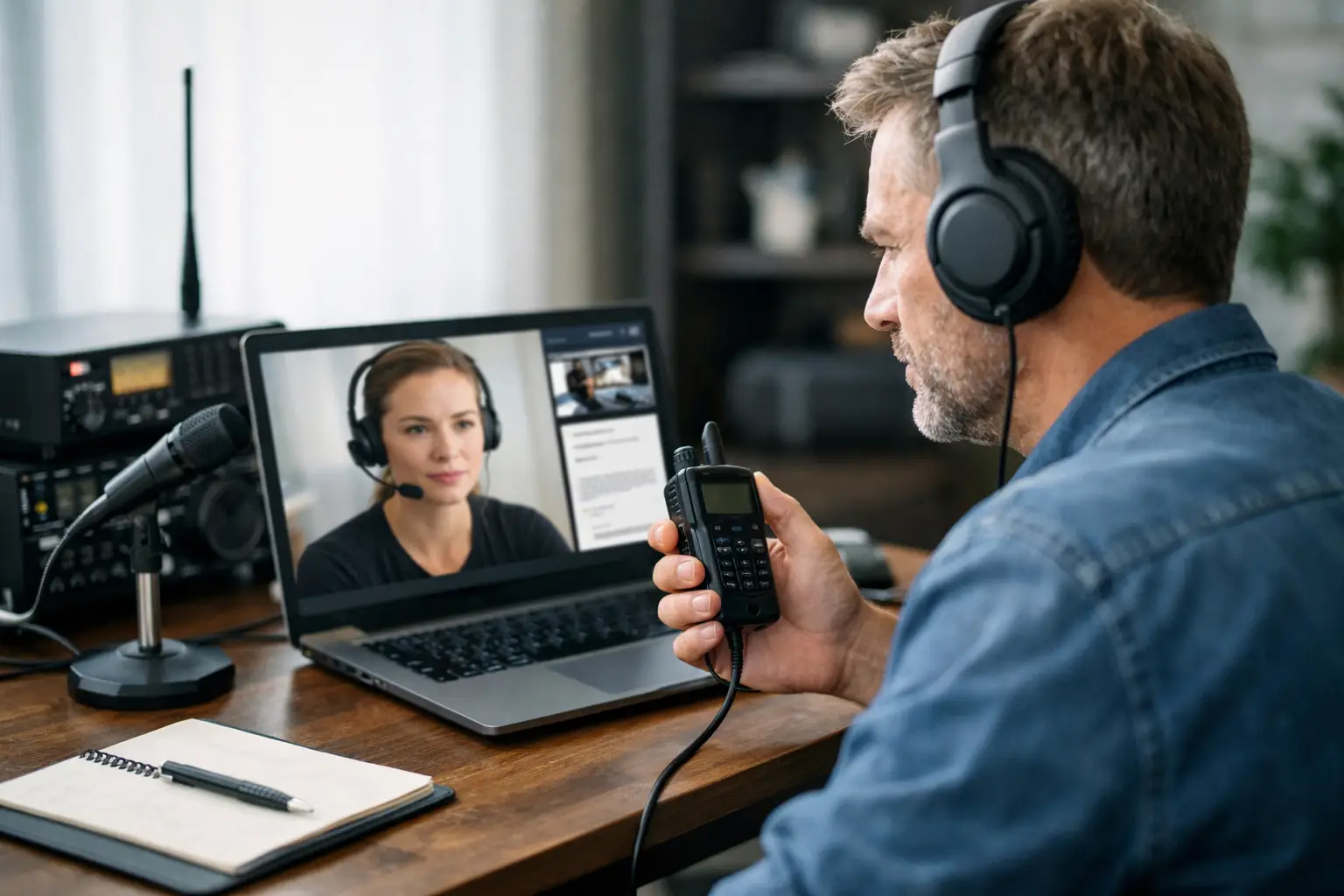
A zoom proctored ham radio test is a remote amateur radio exam session conducted with live volunteer examiners using Zoom. You join at your scheduled time, verify your identity, show your testing space and desk area, and complete the exam under real-time supervision. If you pass, your paperwork is processed just as it would be through any ARRL-certified exam team.
That point matters. Candidates sometimes worry that online testing sounds unofficial or somehow less recognized than an in-person session. In practice, a properly administered remote exam follows established procedures and exists to make access easier, not to lower standards. The questions come from the same published pools. The passing score is the same. The license you earn is the same FCC amateur radio license.
What changes is the logistics. Instead of driving to a church basement, library meeting room, or club event, you prepare your room, your device, and your identification. That convenience is a major benefit, especially for people in rural areas, busy professionals, retirees who prefer testing from home, or anyone with a limited local exam schedule.
Why remote testing works so well for ham radio candidates
The appeal is simple. Most people are not struggling to find study resources. They are struggling to find a test date that fits their life.
In-person sessions still serve an important role, and for some candidates they remain the best choice. If you are not comfortable with video calls, do not have a stable internet connection, or prefer face-to-face interaction, an in-person exam may be worth the extra effort. But for a large number of applicants, remote testing removes the friction that keeps them from getting licensed at all.
It also reduces the pressure that comes with unfamiliar environments. Testing from home can help candidates feel more settled, more focused, and less rushed. You are still being watched carefully and expected to follow the rules, but you are doing it in a familiar space. That can make a real difference for first-time test takers.
What to expect before exam day
A good remote exam experience starts well before you open Zoom. After scheduling, you should receive clear instructions about the exam process, technology requirements, acceptable identification, and the room setup expected for testing. Read those instructions closely. Most problems on exam day are preventable when candidates prepare early.
You will usually need a reliable internet connection, a device with a camera and microphone, and a quiet space where you can be alone during the exam. Some teams may also ask for a second camera view or specific positioning so proctors can see both you and your work area. That is not about making the process harder. It is part of how remote sessions maintain the same credibility candidates expect from any ARRL-certified exam administration.
If you are upgrading, you should also have any required documentation ready, such as your current license information or certificate of successful completion of examination if applicable. If you are a brand-new candidate, you may need an FCC Registration Number before testing. Again, the details depend on your situation, which is why good communication ahead of time makes such a difference.
Setting up your space for a zoom proctored ham radio test
Your testing area should be simple, clean, and free from anything that could create questions during the session. That usually means clearing papers off the desk, removing study guides, closing extra browser tabs if your device is being used for the exam platform, and making sure no one else enters the room.
Think of it less like staging a home office and more like preparing a neutral workspace. Proctors may ask you to rotate your camera so they can inspect the desk, walls, and nearby surfaces. They may also ask to see under the desk or confirm that phones, smartwatches, and notes are out of reach. These checks are normal, and they help protect every honest candidate who has studied and wants a fair exam.
Lighting matters more than people expect. If your face or desk is hard to see, the proctors may need to pause and troubleshoot before the exam can begin. A stable camera angle, good room lighting, and a quiet environment can make the whole session smoother.
How the proctoring process feels during the exam
Most candidates are pleasantly surprised by how straightforward the session feels once it starts. Yes, the rules are real. Yes, the proctors are attentive. But a well-run remote exam does not feel hostile. It feels organized.
You will likely be greeted, checked in, and guided through each step. Identity verification comes first, then room and desk review, then instructions on exam conduct. During the test, proctors monitor the session and may give reminders if needed, but they are not there to rattle you. Their job is to keep the session compliant and fair while helping candidates move through the process calmly.
That balance is what makes experienced teams stand out. The best remote exam sessions combine serious standards with a reassuring human approach. Middle Tennessee Exams has built its reputation around exactly that kind of experience – professional, clear, and supportive without making the process feel intimidating.
Common concerns candidates have
One common question is whether technical trouble will ruin the whole session. The honest answer is that it depends on the issue. A brief audio glitch or momentary lag can often be managed. A completely unstable connection may require rescheduling. That is frustrating, but it is also better than forcing through an exam under conditions that compromise supervision.
Another concern is privacy. Remote proctoring does require you to show part of your room and remain visible on camera. Some candidates are understandably cautious about that. In a legitimate session, those checks are limited to what is necessary for exam security, and the expectations should be explained clearly in advance.
Candidates also ask whether remote exams are harder. The exam content is not harder, but the environment is different. You are responsible for your equipment, your internet, and your room setup. If you handle those details ahead of time, the actual testing experience is often easier than traveling to an unfamiliar location.
Who benefits most from remote ham radio exams
Remote testing is a strong fit for first-time Technician candidates who want a clear path from studying to licensing. It also serves experienced operators who have meant to upgrade for years but never found the right time. If your nearest exam session is inconvenient, your schedule is unpredictable, or you simply value a more efficient process, a zoom proctored ham radio test can be the practical choice.
That said, remote is not automatically best for everyone. Some people test better in a formal room away from home distractions. Others may not have the technology needed for a smooth session. The right option is the one that lets you test confidently while meeting all requirements.
How to make your exam day easier
Treat the session like an appointment that deserves a little margin. Log in early, test your camera and microphone, and have your identification ready before the proctors ask for it. Do not wait until two minutes before your session to clear your desk or update Zoom.
It also helps to approach the day with realistic expectations. You may have to pause for setup checks. You may need to reposition your camera. That is normal. The smoother you are with those small requests, the faster you get to the part that matters – answering questions and earning your next license.
For many future operators, the real breakthrough is not just passing the exam. It is realizing the process can be both rigorous and approachable. When remote testing is done right, it gives you a legitimate path into amateur radio that respects your time, your effort, and the standards of the service.
If you have been putting off your license because the testing process felt inconvenient or unclear, this may be the moment to change that. A well-run remote exam brings the door a little closer – and sometimes that is all it takes to get on the air.