A license exam should be the point where your preparation pays off, not the hardest part of getting on the air. For many prospective hams, the most meaningful ARRL testing benefits are practical: a recognized testing process, qualified volunteer examiners, and the ability to pursue an FCC license or upgrade with greater confidence.
Whether you are studying for Technician, returning to amateur radio after a long break, or working toward Extra Class privileges, choosing how and where to test matters. The right session gives you a clear process, treats your time with respect, and protects the integrity of the credential you worked to earn.
1. ARRL Testing Connects You to a Recognized Exam Process
ARRL Volunteer Examiner Coordinators work within the FCC’s amateur radio examination system. ARRL-accredited Volunteer Examiners administer the appropriate FCC question pool and follow established procedures for candidate identification, exam security, scoring, and session records.
That structure matters because an amateur radio license is more than a hobby milestone. It grants operating privileges and carries real responsibilities. A well-run ARRL examination session helps ensure that every successful candidate has demonstrated the knowledge required for the license element they passed.
For a first-time candidate, this can remove a common worry: “Will this test count?” When you test through a properly coordinated ARRL exam team, you are participating in a recognized path toward FCC licensing. After a passing result, the exam paperwork is processed through the required channels before the FCC issues or updates a license.
2. A Remote Session Can Remove the Travel Barrier
Local in-person exams remain a valuable part of amateur radio, but they are not equally accessible to everyone. A testing location may be an hour away, sessions may occur only once a month, or a work schedule may make a Saturday morning event difficult to attend.
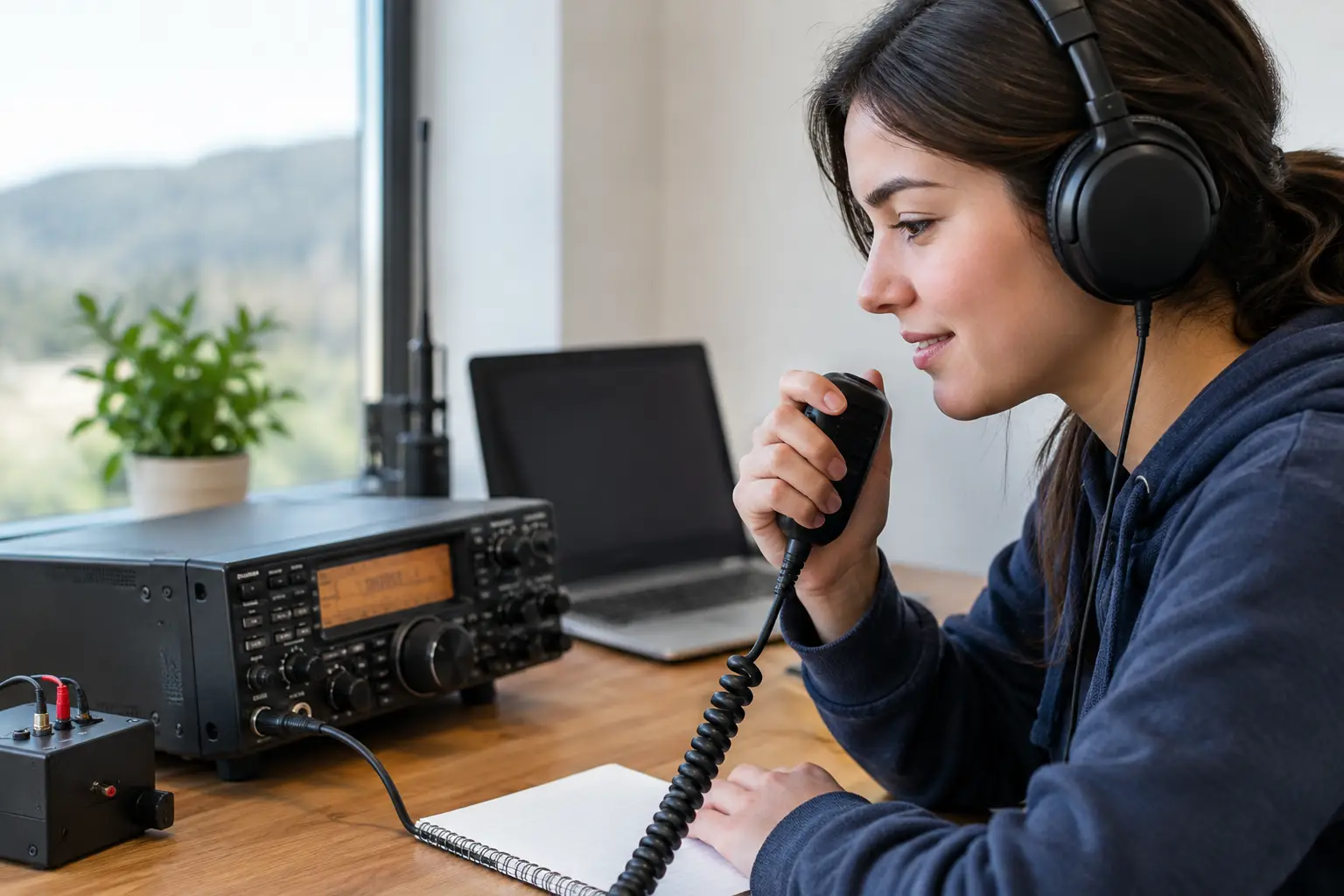
Remote ARRL-certified testing can make the process far more manageable. Instead of planning a drive, arranging transportation, and trying to fit your exam into a limited local schedule, you can test from a suitable space at home. That is particularly helpful for rural candidates, busy professionals, caregivers, people with mobility limitations, and anyone whose nearest session is not truly nearby.
Convenience does not mean a casual exam environment. Remote sessions still require preparation. Candidates generally need a reliable internet connection, a computer with audio and video capability, a government-issued photo ID or acceptable identification, and a quiet, private testing area. Following those requirements helps the examining team maintain the same fairness and security candidates should expect from any legitimate license exam.
3. Clear Procedures Can Reduce Test-Day Stress
Most exam anxiety comes from uncertainty, not from the questions themselves. Candidates often wonder what they need to show, whether a calculator is allowed, how remote proctoring works, or what happens if they pass one element and want to attempt another.
An organized ARRL testing experience answers those questions before the session begins. Clear instructions give candidates time to prepare their space, confirm their equipment, gather identification, and understand the check-in process. During the session, professional Volunteer Examiners can guide candidates through the required steps without coaching them on exam content.
That distinction is useful. You should arrive prepared to demonstrate your knowledge, but you should not have to guess how the testing session will operate. A calm, respectful process lets you focus on the material you studied: regulations, operating practices, safety, electronics, propagation, and station responsibilities.
4. ARRL Testing Benefits Candidates at Every License Level
The value of a recognized exam process does not end with the Technician license. Each step in amateur radio brings different opportunities, and each exam deserves the same careful administration.
A Technician license is often the entry point for new operators. It opens the door to local VHF and UHF communication, repeaters, public service involvement, digital modes, satellite activity, and selected HF privileges. For many people, passing Technician turns an interest in radio into a hands-on, community-connected activity.
General Class candidates are often looking for broader access to HF bands. That can mean more opportunities for long-distance contacts, contesting, portable operation, emergency communications, or simply exploring the changing conditions of the radio spectrum. Extra Class is a significant achievement for operators who want the widest amateur privileges and a deeper command of technical and regulatory subjects.
At every level, the benefit is not simply passing a test. It is earning privileges through a system designed to support capable, responsible operation. If you pass one element and feel prepared to attempt the next one during the same session, ask the exam team about its procedures. Opportunities can vary by session, so it is wise to know the plan before test day.
5. Immediate Results Give You Useful Next Steps
Waiting for an exam result creates unnecessary stress. In a properly managed session, candidates generally learn whether they passed before they leave the testing appointment. That immediate feedback is valuable whether the result is successful or not.
If you pass, you can celebrate knowing that your exam element is complete and that the required filing process can move forward. Keep in mind that passing an exam is not the same as having an updated FCC license in hand. New privileges begin only when the FCC database reflects your issued or upgraded license, according to FCC rules.
If you do not pass on the first attempt, immediate scoring still gives you direction. You can identify that the session is over, review the areas where your study plan needs attention, and decide when to try again. A missed exam is disappointing, but it is also specific feedback. Many excellent operators needed more than one attempt before earning a license or upgrade.
6. Professional Proctoring Protects Everyone
Exam integrity is one of the less visible but most important benefits of an ARRL-coordinated session. Honest candidates deserve to know that the credential they earn has meaning. Careful identity checks, room checks, monitoring, and consistent rules help protect that meaning.
Remote testing may feel unfamiliar at first because the proctors need to verify your testing environment through video. Those steps are not there to make candidates uncomfortable. They exist to confirm that every person has a fair chance and that no one receives outside assistance, unauthorized materials, or answers during the exam.
Candidates can make this easier by reading the session instructions closely and asking process questions before their appointment. Prepare a clean workspace, silence notifications, let others in the home know not to interrupt, and test your camera, microphone, and internet connection ahead of time. A few minutes of preparation can prevent a frustrating delay.
7. The Process Introduces You to a Community That Cares
Amateur radio is technical, but it is also deeply social. Operators help one another troubleshoot antennas, learn new modes, prepare for public service events, and make contacts across town or across the world. A positive testing experience can be a candidate’s first real interaction with that culture.
The best Volunteer Examiner teams combine standards with encouragement. They do not lower the bar, and they should not promise a passing result. What they can provide is a respectful setting, clear communication, and the human reassurance that comes from working with people who understand what it feels like to sit for an exam.
MidTENN Nationwide Testing brings that approach to scheduled remote sessions for Technician, General, and Extra Class candidates. Candidates receive organized guidance for the remote process and a professional exam experience from home, without losing the accountability expected of ARRL-certified testing.
Preparing to Get the Most From Your Exam Appointment
Before scheduling, make sure you are studying from the current question pool for the license element you intend to take. Practice exams are useful for finding weak areas, but avoid memorizing answer patterns without understanding the underlying concepts. On the air, you will use the knowledge behind the question, not the letter choice you selected.
When you are ready, choose an appointment time when you can be fully present. Do not schedule between meetings, while supervising a busy household, or when your internet connection is known to be unreliable. Give yourself room to check in, complete the session without rushing, and absorb your result.
Your amateur radio journey begins with a test, but it grows through curiosity, responsible operating, and the people you meet along the way. Prepare carefully, follow the session instructions, and give yourself credit for taking the next step toward the callsign and operating privileges you have been working for.