If the nearest exam session is an hour away, starts at an awkward time, or only happens once a month, the online amateur radio license test can remove the biggest barrier between you and your FCC license. For many future operators, the issue is not motivation – it is logistics. Testing from home makes the process more accessible without lowering the standard.
That matters because amateur radio licensing is still a formal FCC process. Whether you are working toward your first Technician license or upgrading to General or Extra, you need a legitimate exam session, qualified volunteer examiners, and a testing process that follows the rules. A good online session gives you the convenience of home while keeping the integrity of an in-person exam.
How the online amateur radio license test works
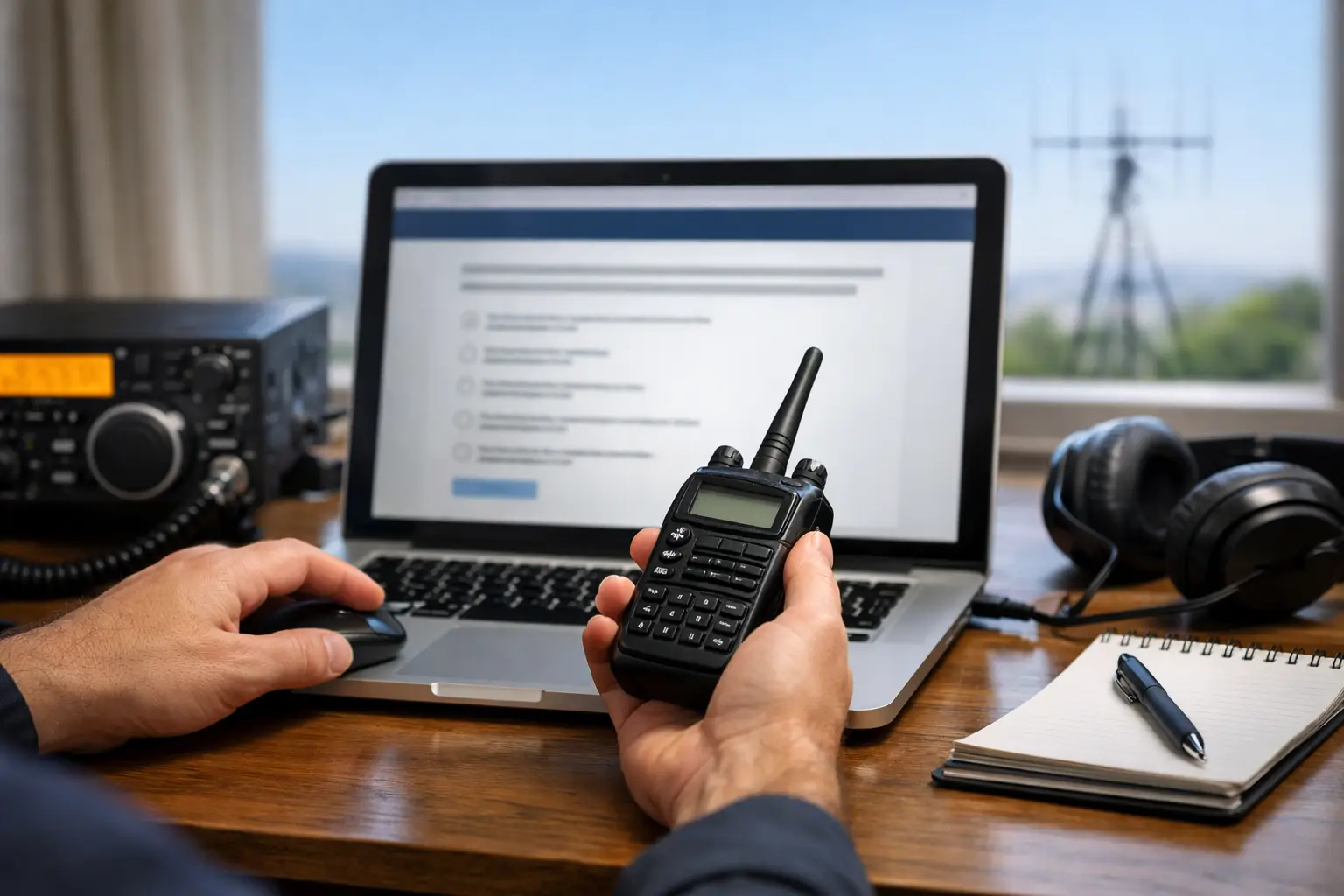
The basic idea is simple. You schedule a remote exam session, join at the assigned time, verify your identity, show your testing space to the proctors, and complete the exam under live supervision. Most reputable teams use video conferencing software such as Zoom along with a structured check-in and proctoring process.
Before the exam starts, you will usually receive clear instructions about what equipment you need, how to prepare your room, and what documents to have ready. That often includes a government-issued photo ID, your FCC Registration Number if you already have one, and any required fee confirmation. If you are upgrading, you may also need proof of your current license status.
Once the session begins, the exam team confirms that your setup meets requirements. Expect to show your desk, computer area, walls, and nearby floor space so proctors can verify that prohibited materials are not within reach. That can feel a little formal at first, but it is there for a reason. The goal is fairness for every candidate and compliance with ARRL and FCC expectations.
After check-in, the exam is administered and monitored remotely. Depending on the team, you may answer questions through a secure online platform while proctors observe throughout the session. When you finish, your results are typically reviewed and shared quickly. One of the biggest advantages of a well-run online session is that you are not left wondering what happens next.
Why more candidates are choosing remote testing
Convenience is the obvious reason, but it is not the only one. Many candidates have work schedules, family commitments, mobility concerns, or limited local testing options. An online format can make licensing realistic for people who would otherwise keep postponing it.
There is also a comfort factor. Testing at home, in a quiet and familiar setting, helps many people focus better than they would in a busy public room. That does not mean the exam is easier. It simply means you can put your energy into the questions instead of the drive, the parking, and the stress of arriving somewhere unfamiliar.
Remote testing is especially helpful for upgrades. A lot of licensed operators spend years meaning to move from Technician to General or from General to Extra, but never quite make time for an in-person session. The ability to book a convenient online appointment often turns a long-delayed goal into something practical.
What you need before test day
A smooth online amateur radio license test starts with basic preparation. You need a reliable internet connection, a computer or device that meets the session requirements, a camera and microphone, and a quiet space where you can be alone during the exam. Some teams also require a smartphone or second camera angle for room monitoring.
This is one area where details matter. Different exam teams may have slightly different procedures, so read every instruction carefully before your appointment. If a team asks for a certain browser, a second device, or a specific room setup, do not treat that as optional. It is much easier to solve a technical issue the day before the exam than five minutes before check-in.
It also helps to prepare your room with intention. Clear your desk. Remove notes, books, and extra electronics unless the exam team says they are allowed. Let family members know you cannot be interrupted. Small steps like these make the check-in process faster and reduce last-minute stress.
Is an online exam legitimate?
This is one of the most common questions, and it is a fair one. The short answer is yes – if you are testing with a properly authorized team that follows approved procedures. The exam itself is still a nationally recognized amateur radio license exam. The format is remote, but the standards are not relaxed.
That is why certification and process clarity matter. Candidates should look for teams that are transparent about their volunteer examiner credentials, remote procedures, and post-exam result handling. A professional team will explain exactly how the session works, what they require from you, and how your paperwork is submitted after you pass.
For many candidates, this clarity reduces anxiety. You do not want surprises on exam day, especially if it is your first experience with FCC licensing. A trustworthy remote exam team makes the process feel organized, compliant, and approachable at the same time.
Which license class should you test for?
If you are brand new to amateur radio, the Technician license is the usual starting point. It gives you entry-level privileges and opens the door to getting on the air, learning equipment basics, and becoming part of the radio community.
The General license is the next step for operators who want broader HF privileges and more long-distance operating opportunities. Many people earn Technician first, spend some time operating, and then decide to upgrade. Others study for both and attempt the next element after passing the first. That can be a smart move if the material is fresh in your mind and you are already in exam mode.
The Extra Class license is for operators who want the highest level of amateur privileges and are ready for a more demanding question pool. It is not necessary for everyone, but for serious hobbyists, contesters, emergency communicators, and long-term enthusiasts, it can be a worthwhile goal.
The right path depends on your interest, your study time, and how quickly you want to progress. There is no prize for rushing, but there is also no reason to assume you have to space everything out if you are prepared.
How to feel ready instead of rushed
The best test prep is steady, not frantic. Use the current question pool, take practice exams, and spend extra time on topics that slow you down. Most candidates find that repeated exposure to the style of questions builds confidence quickly.
It also helps to study with a purpose. Do not just aim to memorize enough to squeak by. The more you understand basic operating practice, regulations, safety, and radio theory, the more useful your license becomes on day one. Passing matters, but so does knowing what you are doing once you are on the air.
On the practical side, do a technology check before exam day. Test your camera, microphone, internet connection, and any required software. Have your identification ready. Log in early. These steps sound simple because they are, but they often make the difference between a calm start and a stressful one.
What a good exam team should provide
A strong remote testing experience is about more than offering a Zoom link. Candidates should expect clear communication, straightforward scheduling, and prompt answers to common questions. The best teams combine strict exam handling with a low-stress attitude.
That balance matters. Candidates want to know the rules will be followed, but they also want to feel supported. A professional team can be both organized and welcoming. Middle Tennessee Exams is one example of that approach, offering ARRL-certified remote sessions with a process designed to be clear, compliant, and friendly for both first-time applicants and experienced operators seeking an upgrade.
If you are comparing providers, pay attention to how they explain the process. Do they tell you what to expect before, during, and after the session? Do they make it easy to schedule? Do they communicate like real people who understand candidate concerns? Those details are often a sign of how the exam day experience will feel.
The trade-offs to keep in mind
Online testing is convenient, but it is not the perfect fit for every person or every situation. If your internet connection is unreliable, your home is noisy, or you are uncomfortable with video-based check-in, an in-person session may still be the better choice. Convenience should not come at the cost of avoidable technical stress.
That said, many candidates who feel unsure at first are surprised by how straightforward the process is once they see the instructions and complete the room setup. The unfamiliar part is usually the remote format, not the exam itself. With a well-run team, the process quickly starts to feel routine.
Earning an amateur radio license should feel within reach. If travel, scheduling, or limited local sessions have been slowing you down, an online exam may be the practical next step that finally gets you on the calendar and on your way to the next call sign or upgrade.